


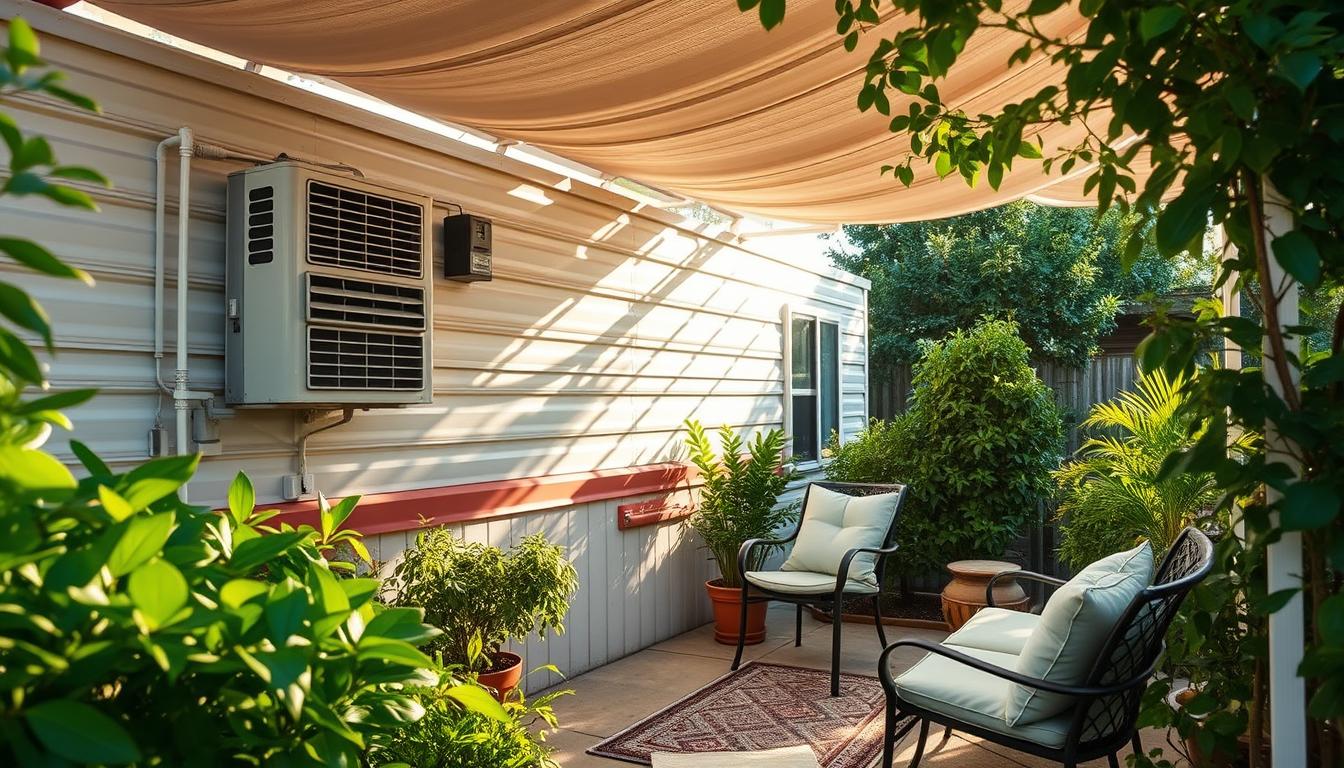
As the summer heat sets in, a well-functioning Mobile Home AC System becomes crucial for maintaining a comfortable living environment in your mobile home. A cool and comfortable home is not just a luxury, it’s a necessity, especially during the hot summer months.
Imagine coming back to a cool and refreshing home after a long day. It’s a feeling of pure relief. Optimizing your AC system can make this a reality while also helping reduce energy bills. By focusing on AC system optimization, you can significantly enhance your cooling comfort. In this article, we’ll explore practical tips to achieve just that, ensuring your mobile home remains a haven of comfort throughout the year.
Understanding Mobile Home AC System
Understanding the intricacies of mobile home AC system is crucial for optimal comfort and efficiency. Mobile homes, due to their compact and unique structure, require air conditioning systems that are tailored to their specific needs.
Mobile home AC units differ significantly from those used in traditional homes. The primary difference lies in their design and installation. Unlike traditional homes, where AC systems can be more extensive, mobile homes require compact and efficient systems that can cool the space effectively without compromising on energy efficiency.
How Mobile Home AC System Units Differ from Traditional Homes
Mobile home AC units are designed to be more compact and are often installed in ways that maximize space, such as on walls or in windows. This compact design is crucial for maintaining the structural integrity and aesthetic appeal of the mobile home. Efficient cooling is achieved through advanced technologies that allow these systems to provide consistent cooling despite their smaller size.
Common Types of Mobile Home AC System
Common types of AC systems for mobile homes include central air conditioning systems, ductless mini-split systems, and window units. Each type has its advantages and is suited for different sizes and layouts of mobile homes. For instance, ductless mini-split systems are ideal for mobile homes without ductwork, offering flexibility and energy efficiency.
Assessing Your Current Mobile Home AC System
Evaluating your mobile home AC system is the first step towards achieving optimal comfort and efficiency. A thorough assessment helps identify areas that require improvement, ensuring your system operates effectively.
Signs Your System Needs Optimization Mobile Home AC System
If you notice increased energy bills, uneven cooling, or frequent breakdowns, it may be a sign that your AC system needs optimization. Regular AC maintenance can help prevent these issues, but if they’re already present, it’s time to take action.
- Higher than usual energy bills
- Uneven cooling distribution
- Frequent system breakdowns
Determining the Right Size for Your Space
Ensuring your AC unit is the right size for your mobile home is crucial. A unit that’s too small will struggle to cool your space, while one that’s too large will cycle on and off too frequently, leading to inefficiency. Proper sizing is key to energy-efficient AC operation.
Evaluating Energy Efficiency Ratings
Understanding the energy efficiency ratings of your AC system can help you identify potential areas for improvement. Look for the SEER (Seasonal Energy Efficiency Ratio) rating, which measures the system’s efficiency over a cooling season. A higher SEER rating indicates a more energy-efficient system.
By assessing these aspects of your mobile home AC system, you can take the first steps towards optimizing its performance and improving your overall comfort.
Essential Maintenance for Mobile Home AC System
Regular maintenance is key to ensuring your mobile home’s AC system operates efficiently and effectively. A well-maintained system not only provides better comfort but also reduces energy consumption and prolongs the system’s lifespan.
Seasonal Maintenance Checklist
To keep your AC system in top condition, perform the following tasks seasonally:
- Clean the condenser coils to improve heat dissipation.
- Check refrigerant levels to ensure they are at the recommended levels.
- Inspect electrical connections for any signs of wear or damage.
| Task | Frequency | Benefit |
|---|---|---|
| Clean Condenser Coils | Seasonally | Improved Heat Dissipation |
| Check Refrigerant Levels | Seasonally | Optimal Cooling Performance |
| Inspect Electrical Connections | Seasonally | Reduced Risk of System Failure |
Filter Replacement and Cleaning
Regularly replacing and cleaning filters is vital for maintaining airflow and reducing energy consumption. Dirty filters can significantly impact your AC system’s performance, leading to increased energy bills and reduced comfort.
Tip: Check your filters monthly and replace them every 1-3 months, depending on usage and manufacturer recommendations.
Ductwork Inspection and Sealing
Inspecting and sealing ductwork is crucial for preventing leaks and ensuring cooled air reaches all parts of your mobile home. Leaky ducts can lead to significant energy losses and reduced system efficiency.
Regular ductwork inspection can help identify potential issues before they become major problems.
By following these maintenance tips, you can ensure your mobile home’s AC system operates efficiently, providing optimal comfort while minimizing energy consumption.
Troubleshooting Common Mobile Home AC System Problems
Troubleshooting your mobile home’s AC system is crucial for maintaining a comfortable living environment. Issues such as uneven cooling and poor airflow can significantly impact the comfort level in your home. Understanding how to identify and potentially fix these problems can save you time and money.
Addressing Uneven Cooling Issues
Uneven cooling can make some areas of your mobile home uncomfortably warm while others are too cold. This issue can often be addressed by adjusting the ductwork or ensuring that all vents are open and unobstructed. It’s also essential to check for any leaks in the ductwork, as these can cause significant cooling losses.
To further troubleshoot uneven cooling, consider the following steps:
- Check that all vents are open and not blocked by furniture or other objects.
- Inspect the ductwork for leaks or damage.
- Ensure that the air filter is clean and not restricting airflow.
Fixing Poor Airflow Problems
Poor airflow can be due to dirty filters or blockages in the ductwork. Regularly replacing or cleaning the air filter can significantly improve airflow. Additionally, inspect the ductwork for any blockages or kinks that might be restricting air flow.
| Problem | Possible Cause | Solution |
|---|---|---|
| Poor Airflow | Dirty Filter | Replace or Clean Filter |
| Poor Airflow | Ductwork Blockage | Inspect and Clear Ductwork |
When to Call a Professional
If you’re unable to resolve the issue yourself, it may be time to call a professional HVAC technician. They can diagnose the problem and provide a suitable fix. According to a study by the Air Conditioning, Heating, Refrigeration Certification Board, a certified technician can improve the efficiency of your AC system by up to 20%.
“A well-maintained AC system not only provides comfort but also reduces energy consumption. Regular maintenance and timely repairs are key to achieving this.”
By following these troubleshooting steps, you can potentially resolve common issues with your mobile home’s AC system and maintain a comfortable living environment.
Upgrading for Optimal Comfort and Efficiency
Enhancing your mobile home’s cooling system with the latest technology can lead to improved comfort and energy savings. Upgrading your AC system not only provides a more comfortable living environment but also reduces energy consumption, leading to lower utility bills.
Energy-Efficient AC Options for Mobile Homes
When it comes to energy-efficient AC options, mobile homeowners have several choices. Inverter technology models are highly efficient as they adjust their cooling capacity to match the cooling demand, thereby reducing energy consumption. Some other options include:
- High SEER (Seasonal Energy Efficiency Ratio) rated units
- Units with advanced filtration systems
- AC systems with programmable thermostats
These energy-efficient models may have a higher upfront cost, but they provide significant savings over time. For instance, a high SEER rated unit can save homeowners up to 30% on their energy bills.
Smart Thermostats and Zoning Systems
Installing smart thermostats and zoning systems can further enhance comfort and efficiency. Smart thermostats allow for precise temperature control and can be programmed to adjust temperatures based on your schedule. Zoning systems enable you to cool specific areas of your mobile home, reducing waste and improving overall comfort.
Some benefits of smart thermostats include:
- Remote access to your AC system
- Detailed energy usage reports
- Automated temperature adjustments
Cost Considerations and ROI
While upgrading your AC system involves initial costs, the long-term savings and increased comfort can provide a substantial return on investment (ROI). Factors to consider when evaluating the cost include:
- The cost of the new AC unit
- Installation costs
- Potential energy savings
By carefully assessing these factors, homeowners can make informed decisions that balance upfront costs with long-term benefits. Typically, energy-efficient upgrades pay for themselves within a few years through reduced energy bills.
Conclusion: Maximizing Comfort in Your Mobile Home
Optimizing your mobile home AC system is crucial for maximizing comfort and energy efficiency. By understanding your AC system, assessing its current condition, performing regular maintenance, troubleshooting common issues, and considering upgrades, you can ensure that your mobile home remains a comfortable haven, even during the hottest summer months.
Effective AC system optimization enhances your living experience and contributes to energy savings. With a well-maintained AC system, you can enjoy improved cooling comfort, reduced energy bills, and a longer lifespan for your equipment. By implementing these strategies, you can create a more comfortable and sustainable living space in your mobile home.
Focusing on mobile home comfort through AC system optimization is a practical approach to enhancing your overall quality of life. As you prioritize your AC system’s maintenance and performance, you can enjoy a cooler, more comfortable home while minimizing your environmental impact.
FAQ
How often should I replace the air filters in my mobile home AC system?
It’s recommended to replace the air filters every 1-3 months, depending on usage and the manufacturer’s instructions, to ensure optimal airflow and efficiency.
What are the signs that my mobile home AC system needs optimization?
Signs that your system needs optimization include increased energy bills, uneven cooling, frequent breakdowns, and poor airflow.
Can I install a ductless mini-split AC system in my mobile home?
Yes, ductless mini-split AC systems are a great option for mobile homes, offering flexibility and energy efficiency, especially in spaces where traditional ductwork is not feasible.
How do I determine the right size AC unit for my mobile home?
To determine the right size AC unit, consider factors such as the square footage of your mobile home, insulation levels, and the number of windows. Consulting with a professional can help ensure an accurate assessment.
What is the benefit of using a smart thermostat with my mobile home AC system?
Smart thermostats allow for more precise temperature control, learning your preferences and adjusting the temperature accordingly, which can lead to increased comfort and energy savings.
How can I improve the energy efficiency of my mobile home AC system?
Improving energy efficiency can be achieved by regular maintenance, such as cleaning condenser coils, checking refrigerant levels, and ensuring proper ductwork sealing, as well as considering upgrades to energy-efficient models.
When should I call a professional to service my mobile home AC system?
If you’re experiencing issues such as uneven cooling, poor airflow, or frequent breakdowns that you cannot resolve yourself, it’s time to call a professional HVAC technician for diagnosis and repair.
Are there any cost-effective ways to upgrade my mobile home AC system?
Yes, options like energy-efficient AC models, smart thermostats, and zoning systems can offer significant long-term savings, despite initial upfront costs, and can be considered cost-effective in the long run.
