


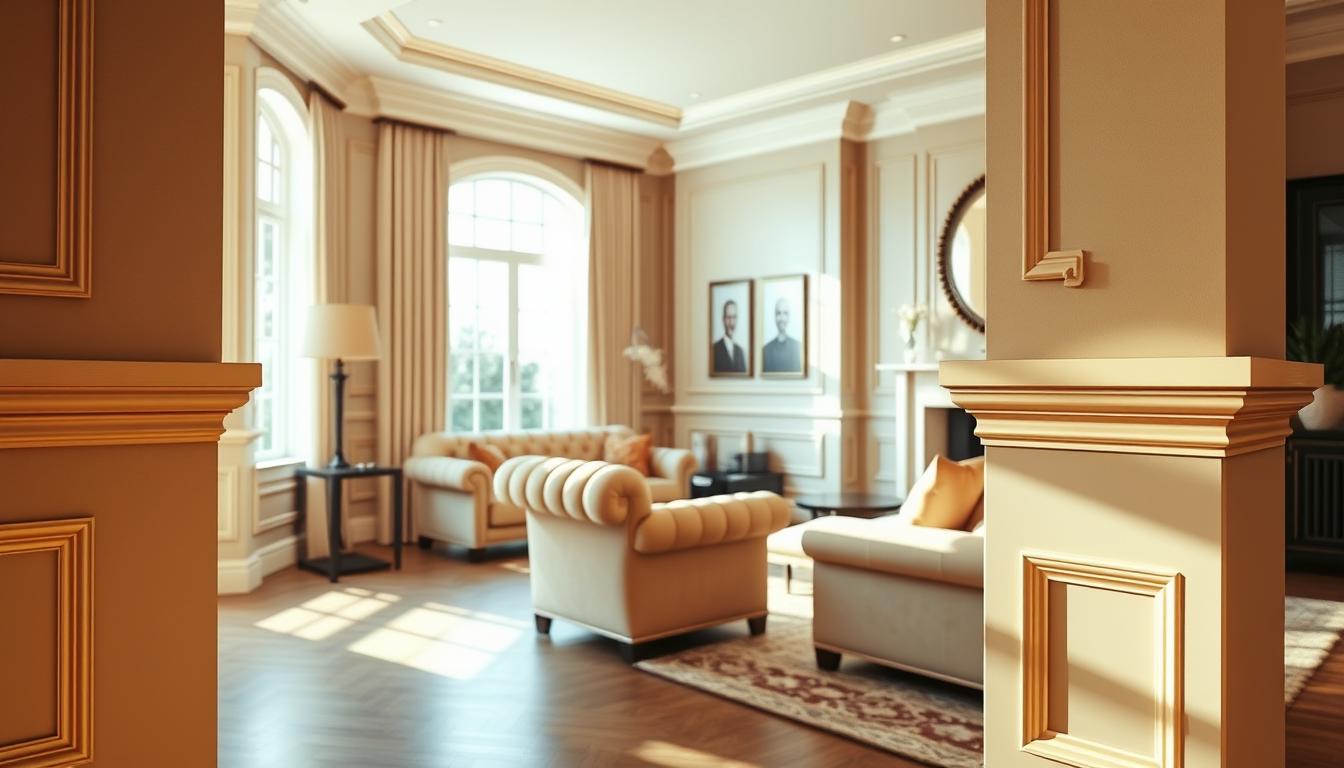
Transforming a house into a home involves more than just furnishing it; it’s about creating an atmosphere that reflects your personal style. One often overlooked yet powerful element in interior design is molding trim. It can elevate the aesthetic of any room, making it look more sophisticated and elegant. Imagine walking into a room where the beautifully crafted molding seamlessly blends with the overall decor, creating a sense of warmth and welcome. This is the magic of decorative corner molding trim. It’s not just a decorative element; it’s a way to add character and depth to your living spaces.
By incorporating molding trim into your home decor, you can create a cohesive look that ties together different design elements. Whether you’re looking to renovate or simply refresh your current space, understanding the role of molding trim is essential.
Understanding Decorative Corner Molding Trim
With its rich history and diverse applications, decorative corner molding trim continues to be a popular choice among homeowners and designers alike. It’s not just about aesthetics; it’s also about covering the joints where two surfaces meet, creating a seamless transition.
Historical Evolution and Purpose
Decorative corner molding trim has its roots in ancient architecture, where it was used to add a touch of elegance to buildings. Over time, its purpose has evolved, but its essence remains the same – to enhance the beauty of a room while hiding imperfections.
The use of molding trim has been influenced by various cultures, each contributing their unique styles and techniques. Today, it remains a crucial element in interior design, serving both functional and aesthetic purposes.
Popular Materials and Their Properties
The choice of material for decorative corner molding trim depends on several factors, including durability, cost, and the desired look. Common materials include wood, MDF, and PVC, each with its own set of properties.
| Material | Durability | Cost |
|---|---|---|
| Wood | High | Moderate to High |
| MDF | Medium | Low to Moderate |
| PVC | High | Moderate |
Understanding the properties of these materials is crucial in making an informed decision that suits your project’s needs.
Types of Decorative Corner Molding Trim
Decorative corner molding trim is not just a functional element; it comes in various types that can significantly impact a room’s ambiance. The diverse range of options allows homeowners and designers to choose the perfect trim to enhance the aesthetic appeal of any space.
Crown Molding Corners
Crown molding corners are a popular choice for adding a touch of elegance to rooms. These corners are designed to seamlessly connect crown molding pieces, creating a smooth, continuous look that elevates the room’s sophistication.
Baseboard Corner Trim
Baseboard corner trim is essential for protecting walls from scuffs and marks while adding a decorative finish. Available in various styles, baseboard corner trim can be matched to the room’s décor, ensuring a cohesive look.
Chair Rail and Wainscoting Corners
Chair rail and wainscoting corners are crucial for completing the look of walls that feature these decorative elements. Properly installed corners ensure that the chair rail or wainscoting appears as a unified, professional installation.
Ceiling and Wall Corner Options
For ceilings and walls, various corner options are available, including decorative molding that can soften the transition between surfaces. These options not only add visual appeal but also help to conceal any imperfections at the joints.
By understanding the different types of decorative corner molding trim, homeowners and designers can make informed decisions to enhance the beauty and functionality of their spaces.
Benefits of Adding Decorative Corner Molding Trim
Decorative corner molding trim offers a multitude of benefits, from aesthetic enhancements to increased property value. By incorporating this design element, homeowners can significantly improve the overall look and feel of their living spaces.
Enhancing Room Aesthetics
One of the primary benefits of decorative corner molding trim is its ability to enhance room aesthetics. It adds a touch of sophistication and elegance, making rooms appear more polished and refined. The trim can be stained or painted to match the existing décor, creating a seamless and cohesive look.
Creating Architectural Interest
Decorative corner molding trim also plays a crucial role in creating architectural interest. By adding depth and character to plain corners, it transforms ordinary spaces into visually appealing areas. This can be particularly effective in rooms with high ceilings or unique architectural features.
Increasing Property Value
In addition to its aesthetic benefits, decorative corner molding trim can increase property value. Potential buyers often view well-finished interiors as a significant advantage, making a home more attractive and marketable. A table highlighting the benefits is shown below:
| Benefit | Description | Impact |
|---|---|---|
| Aesthetic Enhancement | Improves room appearance | Enhances overall appeal |
| Architectural Interest | Adds depth and character | Creates visual appeal |
| Property Value | Increases marketability | Attracts potential buyers |
How to Install Decorative Corner Molding Trim
Enhance your home’s architectural beauty by learning how to install decorative corner molding trim effectively. Installing decorative corner molding trim is a project that can be accomplished with the right tools, materials, and a bit of patience.
Essential Tools and Materials
Before starting your project, gather the necessary tools for molding installation, including a miter saw, coping saw, nail gun, and sandpaper. You’ll also need the decorative corner molding trim itself, wood glue, and finishing nails.
| Tool/Material | Description |
|---|---|
| Miter Saw | For making precise angled cuts in the molding |
| Coping Saw | For cutting intricate profiles on the molding |
| Nail Gun | For securing the molding to the wall |
| Sandpaper | For smoothing out the molding surface |
Measuring and Cutting Techniques
Accurate measuring and cutting are crucial for a successful installation. Measure the length of the wall where the molding will be installed, and cut the molding using a miter saw for precise angled cuts.
Installation Process Step-by-Step
Begin by applying wood glue to the back of the molding and securing it with a nail gun. Ensure the molding is aligned properly and use clamps if necessary to hold it in place until the glue dries. Continue this process for each piece of molding, ensuring a snug fit at the corners.
- Measure and cut the molding accurately
- Apply wood glue and secure with nails
- Ensure proper alignment and use clamps if necessary
Finishing and Painting Tips
After installation, sand the molding to smooth out any imperfections. You can then paint or stain the molding to match your room’s decor. Apply a primer first for a uniform finish, and consider using a semi-gloss paint to highlight the molding’s details.
By following these steps and tips, you can achieve a professional-looking installation of decorative corner molding trim, enhancing your home’s aesthetic appeal.
Design Ideas for Different Room Styles
Decorative corner molding trim is a versatile element that can significantly impact the overall look and feel of various room styles. By choosing the right molding, homeowners can enhance the aesthetic appeal of their spaces, creating a cohesive and polished look that reflects their personal style.
Traditional and Classic Approaches
For traditional and classic room styles, decorative corner molding trim often features intricate designs and ornate details. Crown molding is a popular choice, adding a touch of sophistication and elegance to rooms. These classic profiles are typically made from wood or MDF, allowing for a warm, inviting atmosphere.
Modern and Contemporary Applications
In contrast, modern and contemporary room styles call for simpler, cleaner lines. Decorative corner molding trim in these settings often has a minimalist aesthetic, with a focus on geometric shapes and smooth finishes. Materials like PVC or metal are commonly used for their durability and sleek appearance.
Room-Specific Trim Ideas
Different rooms within a home may require unique approaches to decorative corner molding trim. Here are some ideas for specific rooms:
Living Room and Dining Room
For living and dining areas, consider using ornate crown molding to create a grand, formal atmosphere. These rooms benefit from decorative trim that adds depth and visual interest.
Bedroom and Bathroom
In bedrooms and bathrooms, simpler profiles can create a calming, serene environment. Baseboard corner trim is a practical choice, providing a clean finish without overwhelming the space.
Creative and Unique Corner Treatments
For homeowners looking to make a statement, there are numerous creative and unique corner treatments available. Using custom molding designs or combining different materials and profiles can result in a truly one-of-a-kind look.
By exploring different design ideas for decorative corner molding trim, homeowners can find the perfect solution to enhance their rooms, whether they’re aiming for a traditional, modern, or eclectic style.
Common Mistakes to Avoid When Working With Corner Molding
Working with corner molding can be a bit tricky, and there are several common mistakes that DIYers and professionals alike should avoid. Corner molding is a crucial element in interior design, and its proper installation can make or break the aesthetic appeal of a room.
Measurement and Cutting Errors
One of the most common mistakes when working with corner molding is incorrect measurement and cutting. To avoid this, always double-check your measurements and use a miter saw for precise cuts. Using the right tools can significantly reduce errors.
Material Selection Missteps
Choosing the wrong material for your corner molding can lead to a host of problems, including warping, cracking, or discoloration. Consider factors like moisture resistance, durability, and aesthetic compatibility when selecting your material. For instance, PVC molding is ideal for high-moisture areas like bathrooms.
Installation and Finishing Problems
Improper installation and finishing techniques can compromise the integrity and appearance of your corner molding. Ensure that you secure the molding properly to the wall and use the appropriate finishing nails and caulk to achieve a seamless joint.
By being aware of these common mistakes and taking steps to avoid them, you can achieve a professional-looking finish with your corner molding. Here are some key takeaways:
- Double-check measurements to avoid cutting errors.
- Choose materials that are suitable for the room’s conditions.
- Use proper installation and finishing techniques.
Conclusion
Decorative corner molding trim is a simple yet effective way to elevate the aesthetic of any room. By understanding the different types, benefits, and installation processes, homeowners can make informed decisions to enhance their living spaces.
A summary of molding trim benefits reveals that it not only adds architectural interest but also increases property value. Whether you’re looking to create a traditional, classic look or a modern, contemporary feel, decorative corner molding trim is a versatile design element that can be tailored to suit your style.
As you consider incorporating decorative corner molding into your next project, remember that the right trim can make a significant difference in the overall ambiance of a room. With the knowledge gained from this article, you’re now equipped to make informed decisions and bring your design vision to life.
FAQ
What is decorative corner molding trim?
Decorative corner molding trim is a design element used to cover the joints where two surfaces meet at a corner, adding an aesthetic touch to rooms.
What are the benefits of using decorative corner molding trim?
The benefits include enhancing room aesthetics, creating architectural interest, and increasing property value.
What materials are commonly used for decorative corner molding trim?
Common materials include wood, MDF, plaster, and polyurethane, each with its own properties and advantages.
How do I install decorative corner molding trim?
Installation involves measuring and cutting the trim, using essential tools and materials, and following a step-by-step process to achieve a professional finish.
What are some common mistakes to avoid when working with corner molding?
Common mistakes include measurement and cutting errors, material selection missteps, and installation and finishing problems.
Can decorative corner molding trim be used in different room styles?
Yes, it can be used in various room styles, including traditional, classic, modern, and contemporary designs, to create a unique and personalized look.
How do I choose the right type of decorative corner molding trim for my project?
Consider factors such as the room’s style, the type of surfaces being joined, and the desired aesthetic to select the most suitable trim.
Is it necessary to paint or finish decorative corner molding trim?
Yes, painting or finishing the trim can enhance its appearance and ensure it blends seamlessly with the surrounding surfaces.
