


Introduction
The dental industry stands at a unique crossroads, where tradition and innovation meet, resulting in rapid, transformative changes. Innovative tools, cutting-edge technologies, and updated methodologies are continuously emerging, compelling dental professionals to stay informed if they wish to remain relevant and competitive in this dynamic field. As patients become increasingly discerning and knowledgeable, dental practitioners must evolve to meet heightened expectations for more precise, personalized, and comfortable care. In today’s landscape, the pursuit of knowledge is not just recommended—it’s necessary for ongoing career progression and the delivery of optimal patient outcomes.
Among the most effective ways dental professionals stay current is through engagement with transformative educational resources. These include a growing suite of dental continuing education courses that provide practical, up-to-date instruction in line with new techniques and technologies emerging in the industry. With digital technology redefining every aspect of dental care—from diagnostics to workflows to patient engagement—the practitioners embracing these changes are best positioned to seize opportunities for increased efficiency and better patient experiences. The rise of artificial intelligence, workflow automation, and remote care are all pivotal elements influencing dentistry’s future. Understanding and adapting to these trends are crucial for immediate improvements and pivotal for ensuring long-term professional success.
Embracing Digital Dentistry
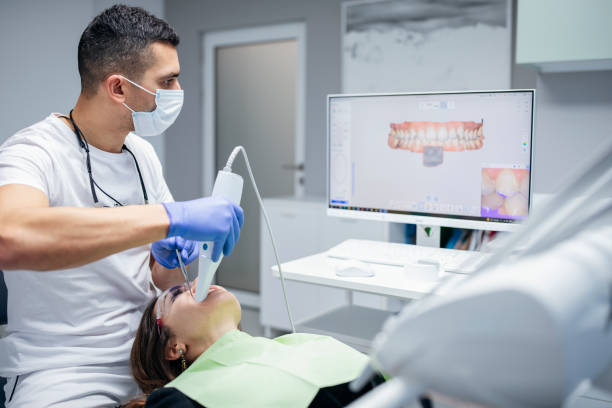
Digital tools are now transforming the core of modern dental practices. One prominent example is the widespread adoption of intraoral scanners, overtaking traditional, messy impression molds. These advanced devices quickly produce high-resolution 3D images of a patient’s teeth and gums in minutes. Patients enjoy a far more comfortable, less invasive experience, while dental professionals benefit from precision imagery that instantly integrates with their digital patient management and treatment planning software. Many contemporary scanners support wired and wireless setups, allowing clinics the flexibility needed to accommodate various workflows and space constraints.
In-house 3D printing is another remarkable advancement revolutionizing dental prosthetics production. Dentists can now fabricate customized crowns, bridges, dentures, and orthodontic aligners within their offices—often in just a single visit. This capability guarantees a faster turnaround time for patients and results in considerable cost savings and control over quality assurance throughout the production process. Utilizing hybrid systems, where advanced CAD/CAM software joins forces with high-precision 3D printers, raises standards for efficiency and precision across dental clinics, thus streamlining the traditionally lengthy and error-prone laboratory process.
Artificial Intelligence in Diagnostics
AI-powered dental platforms are at the forefront of diagnostic innovation, ushering in an era of greater accuracy and efficiency in clinical decision-making. By leveraging deep learning techniques, artificial intelligence analyzes complex dental imaging rapidly and with remarkable consistency, such as X-rays and 3D scans. Modern AI-enhanced software can flag early-stage dental problems—like minute instances of decay, subtle signs of bone loss, and lesions or tumors—that may be missed by even an experienced clinician during manual review.
With AI-driven diagnostics, dentists and their teams can offer more proactive, targeted treatment strategies. These tools heighten clinical precision and streamline the diagnostic process, allowing for real-time, chairside results. Automating image analysis reduces the possibility of human oversight and supports clinicians with data-driven recommendations, thereby boosting confidence when crafting personalized treatment plans. Increased diagnostic rigor supports preventative dental care, producing better long-term outcomes for patients. Studies and reports indicate that AI’s reliability will continue to climb as it processes larger and more diverse datasets, constantly “learning” to become even more precise.
Teledentistry: Expanding Access to Care
The onset of the COVID-19 pandemic dramatically accelerated the acceptance of teledentistry, which enabled continuity of care amid unprecedented clinic closures and travel restrictions. Through encrypted video conferencing, messaging, and remote sharing of clinical records and imagery, patients who may have otherwise missed out on essential dental care can now attend consultations, receive triage, and participate in follow-up appointments remotely. The expansion of teledentistry extends vital services to remote, rural, or underserved areas where access to dental specialists is often limited, helping to address inequalities in oral health care access.
Teledentistry brings tangible benefits for patients, clinics, and practitioners. Remote consultations can reduce unnecessary travel, streamline initial patient screening, and facilitate faster responses to urgent concerns, which has been shown to increase patient satisfaction and clinic efficiency. Digital correspondence allows for ongoing patient education, improves compliance with home care instructions, and reduces the risk of missed or delayed appointments. For dental professionals, teledentistry lightens administrative and clinical workloads while keeping the practice more flexible and adaptive in a changing healthcare environment.
Workflow Optimization Through Automation
Workflow optimization, driven by new technology, is dramatically reshaping the operational side of dental offices. Key developments include:
- Practice Management Software: Modern dental offices rely on robust digital platforms that consolidate appointment scheduling, patient records, medical histories, and billing into one cohesive ecosystem. This helps automate repetitive administrative tasks, freeing clinical and front-desk staff to focus on direct patient interaction and higher-complexity responsibilities.
- AI-Powered Patient Interactions: Patient engagement solutions such as virtual assistants and chatbots provide 24/7 support, handling common questions, appointment reminders, rescheduling requests, and even initial triage. Automated systems ensure patients receive timely communication and can significantly reduce time spent managing repetitive inquiries or follow-ups, improving overall practice productivity and patient satisfaction.
As automation becomes more seamlessly woven into daily workflows, operational efficiency and data accuracy improve, leading to better practice profitability and a superior patient experience. Offices that harness these tools can better adapt to fluctuating demand and staff availability. This important shift is well-documented in Forbes’ leading dental business analysis, where automation is highlighted as a pivotal factor in enabling sustainable practice growth and innovation.
Continuous Professional Development
With the relentless pace of dental innovation, maintaining a commitment to lifelong education is key for any practitioner striving for excellence. The best dental professionals make learning a regular part of their practice, actively pursuing new skills and up-to-date clinical knowledge to remain aligned with evolving regulatory requirements and ethical standards. Participating in dental continuing education courses, hands-on workshops, and webinars allows clinicians and staff members to master new tools, techniques, and technologies while remaining compliant with licensure and credentialing standards.
Furthermore, engaging with professional communities, attending conferences, and networking with industry experts offer benefits beyond formal education. These environments foster mentorship, support peer-to-peer learning, and provide forward-looking insights on the profession’s direction. Regulatory bodies and dental associations worldwide reinforce the value of structured professional development as a core principle underlying safe, efficient practice and career longevity.
Final Thoughts
The evolution of dentistry is accelerating at an unprecedented pace, with digital dentistry and workflow optimization redefining benchmarks for clinical quality, operational efficiency, and overall patient satisfaction. Dental professionals who proactively engage with emerging innovations, invest in their ongoing education, and adopt a growth mindset are uniquely prepared to meet new patient needs, adapt to technological disruption, and build future-proof, thriving practices. Embracing these trends is not just a strategy for survival—it’s a blueprint for elevated care and continued professional achievement in the years to come.
