


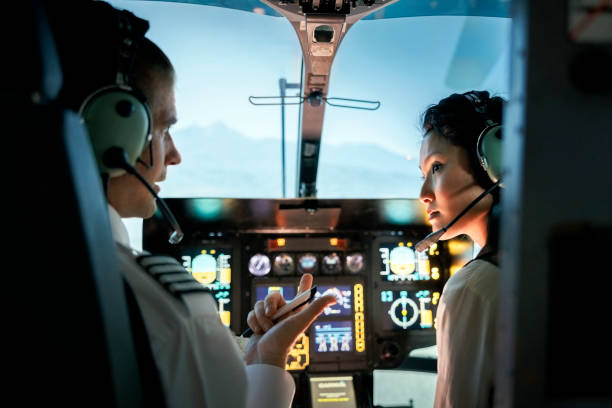
When people imagine becoming a pilot, they often picture someone confidently flying an aircraft through the skies. While the act of flying is exciting, flight training involves much more than learning to operate a plane. At a professional flight school, students develop a broad set of skills that go beyond the cockpit. These skills are crucial not only for passing a check ride but also for becoming a competent, safety-focused, and well-rounded pilot.
Ground Knowledge: The Foundation of Flight
Before taking to the skies, students must first master the fundamentals of aviation. Ground training is the foundation of any comprehensive flight education, covering topics like aerodynamics, meteorology, aircraft systems, and aviation law. This knowledge enables pilots to make informed decisions, recognize mechanical issues, and understand how changing environmental conditions may impact a flight. In areas with rapidly shifting weather, this training is especially critical for ensuring safety and efficiency.
Mastering Communication and Radio Procedures
Effective communication is a pillar of aviation safety. Pilots must clearly convey and interpret information, especially when interacting with air traffic control (ATC), as miscommunication can lead to dangerous situations. A reputable flight school in Dallas will train students early on standard aviation phraseology. This includes making standard radio calls, responding promptly and professionally, and managing busy communication channels—skills that are particularly valuable in active airspace. Strong communication also fosters better coordination among crew and ground personnel.
The Importance of Decision-Making and Risk Management
Flying requires constant decision-making as conditions can change mid-flight, systems can malfunction, and emergencies can arise. A critical component of flight training is teaching students how to assess risks and make sound decisions under pressure. Flight schools often use structured risk assessment models and scenario-based training to simulate real-life situations. This approach prepares pilots to remain calm and decisive, whether they’re facing unexpected turbulence or finding an alternate landing site due to bad weather.
Developing Discipline and Responsibility
Pilots are held to high standards because they are responsible for lives, valuable cargo, and expensive equipment. Flight training instills a strong sense of discipline and attention to detail. From pre-flight inspections to filing flight plans, every task must be performed meticulously. Flight school teaches students that thoroughness is not optional—it’s mandatory. This culture of responsibility also applies to time management, following checklists, and maintaining aircraft logs.
Situational Awareness and Mental Focus
Another critical area of training is situational awareness—the ability to perceive and anticipate what is happening in and around the aircraft. This skill involves interpreting traffic patterns, navigating airspace, and recognizing early signs of danger. The varied flying environment at our school, with its urban air traffic and diverse practice areas, is ideal for developing this competency. The mental focus honed during flight training helps pilots stay alert, multitask effectively, and respond swiftly to changing conditions.
Emotional Control and Stress Resilience
Pilots must maintain composure, especially in high-stress or emergency situations. Flight training emphasizes emotional regulation, teaching students how to remain calm under pressure, maintain focus during turbulence, and handle unexpected events. This mental conditioning is crucial in challenging aviation environments with busy airports and unpredictable weather. By learning to manage fear, stay confident, and rely on their training, pilots can ensure they are always prepared.
Lifelong Learning and Adaptability
Flight training doesn’t end with a license. The aviation industry constantly evolves, introducing new regulations, technologies, and aircraft systems. A strong flight school prepares students for this reality by cultivating continuous learning and adaptability. By providing access to the latest aircraft and tools, flight schools ensure students are exposed to current advancements. Pilots who embrace lifelong learning stay confident, relevant, and well-equipped for changing industry demands.
Conclusion
Flying an aircraft is undeniably thrilling, but it’s just one aspect of flight training. A professional flight school goes beyond teaching takeoffs and landings—it develops skilled, knowledgeable, and confident pilots prepared for the real-world demands of aviation. At a flight school, you’re not just learning to fly—you’re mastering critical thinking, communication, leadership, and personal growth as both a pilot and professional.
