


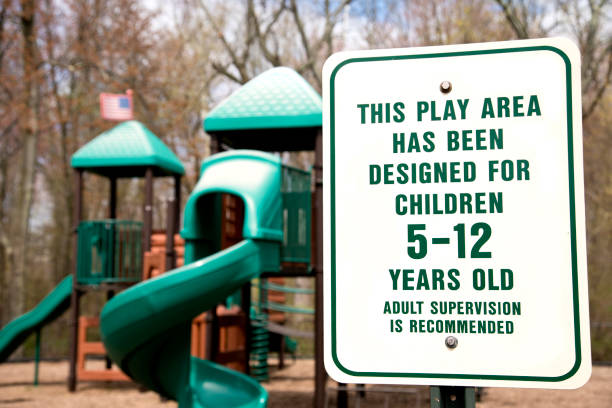
The sound of children laughing and playing is one of the universal joys of community life. However, for children with disabilities, a standard playground can be a fortress of exclusion rather than a place of joy. Stairs without ramps, narrow pathways, and surfaces like sand or gravel can make play impossible for a child using a wheelchair or mobility device.
The Basics of ADA and Inclusive Design
The Americans with Disabilities Act (ADA) is a civil rights law that prohibits discrimination based on disability. When it comes to play areas, the 2010 ADA Standards for Accessible Design set the minimum requirements for newly constructed and altered playgrounds.
It is important to distinguish between “accessible” and “inclusive.” An accessible playground meets the minimum legal requirements—a child with a disability can physically enter the space. An inclusive playground takes this further. It is designed with the intention that children of all abilities can engage with the equipment and with each other. While ADA compliance is the baseline, inclusivity is the goal.
Key ADA Requirements for Playground Accessibility
Navigating the specific regulations can be complex, but they generally fall into three main categories: the route to the playground, the surface of the playground, and the play components themselves.
Accessible Routes
The journey begins before a child even reaches the slide. There must be an accessible route from the parking lot or building to the play area entrance.
- Width: The path must be at least 60 inches wide to allow two wheelchairs to pass each other.
- Slope: The running slope should not be steeper than 1:16.
- Stability: The ground must be stable, firm, and slip-resistant.
Ground Surfaces
One of the most common barriers on older playgrounds is the surfacing. Materials like sand, gravel, or wood chips (unless engineered) are difficult or impossible for a wheelchair to navigate.
- Impact Attenuation: The surface must cushion falls to prevent injury.
- Navigability: The surface must be firm enough to support mobility devices. Common compliant materials include poured-in-place rubber, rubber tiles, or specific types of engineered wood fiber that pack down firmly.
Play Components
The ADA divides equipment into two types: ground-level and elevated.
- Ground-Level Components: These are toys or equipment approached and exited at ground level, such as spring rockers, swings, or standalone panels. There is a minimum number of ground-level components required based on the total number of elevated components to ensure children who cannot climb still have plenty to do.
- Elevated Components: These are parts of a composite structure (like a big jungle gym) accessed by a grade above the ground. At least 50% of elevated components must be on an accessible route.
- Transfer Systems vs. Ramps: For elevated structures, you generally need a mix of ramps and transfer systems (platforms that allow a child to lift themselves out of a wheelchair onto the equipment). Ramps are preferred for true inclusivity as they allow a child to keep their mobility device with them.
Designing an ADA-Compliant Playground: Best Practices
Meeting the code is the first step, but designing for maximum engagement requires creativity. Here are several best practices to elevate your design.
Focus on Multi-Sensory Play
Disability is not limited to mobility. Many children have sensory processing disorders, visual impairments, or hearing loss. Incorporate musical instruments like outdoor drums or xylophones. Use contrasting colors to help children with low vision navigate the space. diverse textures on panels and surfaces can also provide engaging tactile experiences.
Create “Cozy Spots”
Playgrounds can be loud and chaotic. Children with autism or sensory sensitivities often need a quiet place to retreat and observe before rejoining the action. Designing semi-enclosed spaces or “cozy cocoons” allows these children to remain part of the play environment while feeling safe and secure.
Unitary Surfacing
While engineered wood fiber is often cheaper, it requires constant maintenance to remain ADA compliant. Poured-in-place rubber is the gold standard for inclusive design. It allows for seamless transitions between equipment, can be molded into different topographies, and is the easiest surface for walkers and wheelchairs to traverse.
Benefits of Inclusive Playgrounds
When communities invest in inclusive play, the return on investment is social capital. These spaces do more than just provide a place to swing or slide.
- Social Development: Inclusive playgrounds teach children that disability is a natural part of life. When kids of all abilities play together, they learn empathy, cooperation, and acceptance.
- Intergenerational Play: It is not just children who have disabilities. Parents, grandparents, and caregivers with mobility issues are often sidelined at traditional parks. An accessible playground allows a grandfather in a wheelchair to play tag with his grandchild, rather than watching from the perimeter.
- Cognitive and Physical Growth: Accessible equipment often requires unique modes of movement, challenging children physically and mentally in new ways.
Finding the Right Manufacturer
Choosing a local or regional manufacturer can often streamline the process, as they understand the specific climate challenges—from heavy snow loads to intense summer sun—that the equipment must withstand. Whether you are sourcing a large composite structure in Salt Lake City or designing custom playgrounds in Idaho, working with an experienced manufacturer is crucial. They can guide you through the specific safety audits and ADA checklists required before your park opens to the public.
When vetting a company, ask about their history with inclusive design. Do they simply add a ramp to a standard design, or do they build with inclusivity as a foundational principle?
Resources for ADA Compliance
You do not have to navigate these regulations alone. There are several authoritative bodies that provide detailed guidelines:
- The U.S. Access Board: This federal agency promotes equality for people with disabilities. Their website offers comprehensive guides on the ADA standards for play areas.
- National Recreation and Park Association (NRPA): The NRPA offers certification courses and resources for park professionals looking to improve accessibility.
- Certified Playground Safety Inspectors (CPSI): Having your plans reviewed by a CPSI can ensure you aren’t missing any critical safety or compliance elements.
Conclusion
A playground is a training ground for life. It is where children learn to take turns, to pick themselves up when they fall, and to make new friends. By adhering to ADA requirements and striving for true inclusivity, you ensure that no child is denied these essential experiences.
