


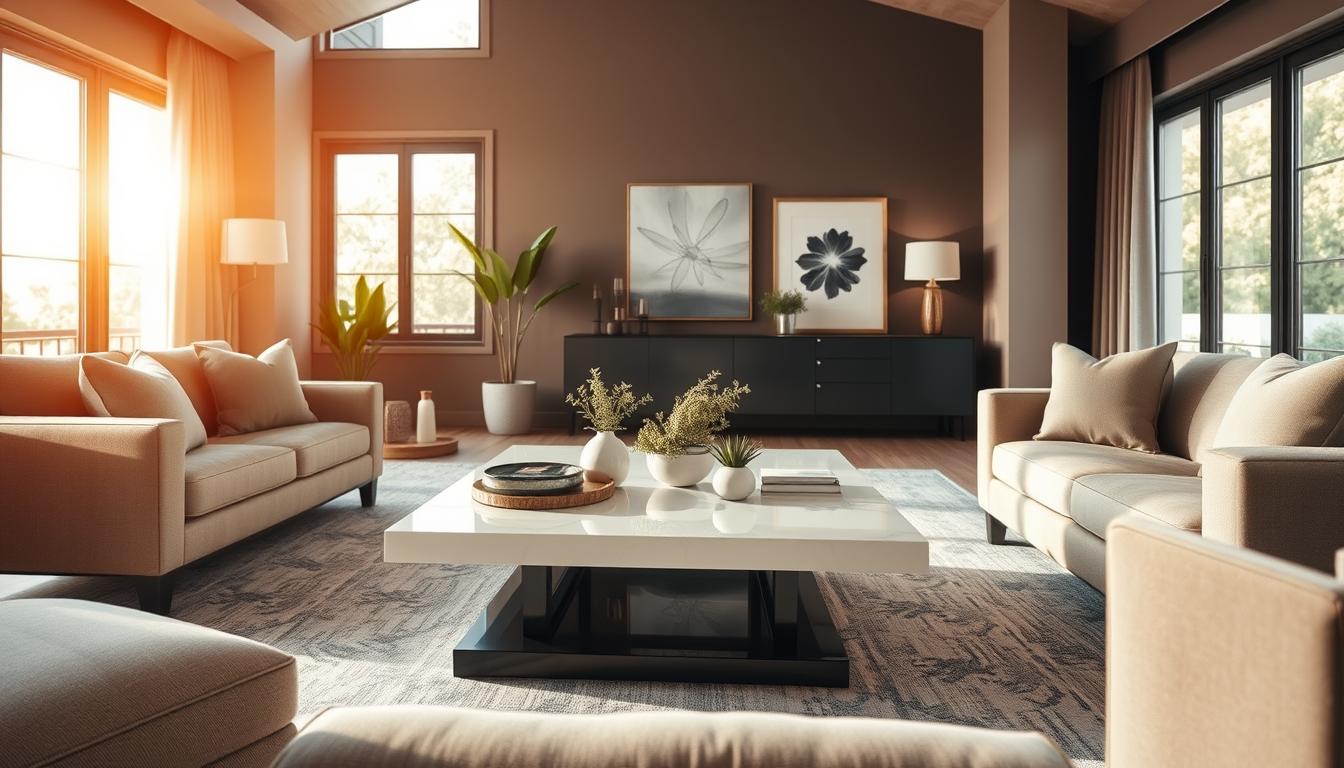
A well-designed living room is the heart of any home, and coffee table placement plays a crucial role in elevating the space. The right placement can create a beautiful focal point, tying together furniture and decor. Not only does it add aesthetic value, but it also serves as a functional piece, providing a surface for socializing and relaxation. To achieve the perfect balance between form and function, consider the layout of your room and the flow of traffic.
By thoughtfully positioning your coffee table, you can enhance your living room design and create a welcoming atmosphere that reflects your personal style, ultimately elevating your home decor.
The Impact of Strategic Furniture Arrangement
Strategic furniture arrangement plays a crucial role in creating a harmonious living space. It’s not just about placing furniture in a room; it’s about creating a visual balance that makes the space feel welcoming and functional.
Creating Visual Balance in Your Living Room Coffee Table Placement
Visual balance is achieved when the elements in a room are arranged to create a sense of stability and harmony. This can be accomplished by distributing the weight and visual interest of furniture and decor throughout the space. For instance, if you have a large sectional sofa on one side of the room, you can balance it with a statement piece of art or a tall lamp on the other side.
How Coffee Table Placement Anchor Your Space
A coffee table can serve as a central anchor in your living room, tying together the different elements of the space. By placing a coffee table in a strategic location, you can create a sense of cohesion and define the seating area. The key is to choose a coffee table that complements the scale and style of your furniture.
To illustrate the impact of coffee table placement, consider the following table:
| Coffee Table Placement | Effect on Room |
|---|---|
| Centered in front of sofa | Creates a sense of symmetry |
| Offset to one side | Creates a more dynamic, asymmetrical balance |
| Placed at an angle | Adds visual interest and creates a conversational circle |
Coffee Table Placement Rules and Guidelines
To create a harmonious and functional living room, understanding coffee table placement rules is essential. Proper placement can enhance the overall aesthetic and usability of the space.
The 18-Inch Rule: Optimal Distance from Seating
A key guideline is the “18-inch rule,” which suggests maintaining a distance of 18 inches between the coffee table and surrounding seating. This distance allows for comfortable movement and easy access to the table. Proper spacing is crucial for creating a welcoming atmosphere.
Height Considerations Relative to Surrounding Furniture
The height of the coffee table should be proportional to the surrounding furniture. Typically, the coffee table should be about 1-2 inches below the height of the sofa’s arm. This ensures a visually appealing and functional arrangement.
Clearance Requirements for Comfortable Movement
Adequate clearance around the coffee table is necessary for comfortable movement. As a general rule, leave enough space between the coffee table and other furniture to allow for easy navigation. A clutter-free zone around the coffee table enhances the overall flow of the room.
By following these guidelines, you can achieve a well-balanced and inviting living room design that combines aesthetics with functionality.
Coffee Table Placement for Different Room Layouts
The art of placing a coffee table varies significantly across different room layouts, from small living rooms to open-concept spaces. Effective coffee table placement is crucial for creating a functional and aesthetically pleasing living area. It requires a thoughtful approach to enhance the room’s layout and facilitate smooth traffic flow.
Small Living Rooms: Space-Saving Strategies
In small living rooms, it’s essential to choose a coffee table that doesn’t overwhelm the space. Consider a nested coffee table or one with storage to keep the area clutter-free. Placing the coffee table close to the sofa can help create a cozy atmosphere, but be sure to leave enough space for comfortable movement.
Open-Concept Spaces: Defining Conversation Areas
Open-concept spaces benefit from coffee tables that help define different areas within the larger space. Using a coffee table in front of a sectional sofa can create a distinct conversation area. Consider the scale of the furniture and the coffee table to ensure they are proportional.
Awkward Spaces: Creative Solutions Coffee Table Placement
For awkward or irregularly shaped spaces, creative coffee table placement can turn a challenging area into a functional part of your living room. Consider using a round or oval coffee table to soften the edges of an awkwardly shaped room and improve traffic flow.
Matching Coffee Table Placement Shapes to Your Seating Arrangement
The coffee table’s shape is a critical element in designing a cohesive and inviting living space that accommodates your seating needs. A well-chosen coffee table can enhance the functionality and aesthetic appeal of your living room.
When selecting a coffee table, its shape should complement your seating arrangement. Different shapes serve different purposes and can significantly impact the room’s overall look and feel.
Rectangular Coffee Table Placement with Traditional Sofas
Rectangular coffee tables are ideal for traditional sofa setups. They provide a clean, symmetrical look and ample surface area for decorative items and functional use.
Round Tables for Sectionals and Conversation Areas
Round coffee tables are perfect for sectionals and conversation areas, as they facilitate easy movement and create a sense of intimacy. Their curved shape softens the angular lines of sectional sofas.
Square and Oval Options: When to Use Them
Square coffee tables work well in smaller, more formal settings, while oval tables can add a touch of elegance to larger spaces. Both shapes offer unique benefits and can be used to create visually interesting layouts.
By carefully matching your coffee table shape to your seating arrangement, you can create a harmonious and functional living space that reflects your personal style.
Common Coffee Table Placement Mistakes to Avoid
When it comes to coffee table placement, there are several pitfalls to watch out for. A well-placed coffee table can elevate your living room design, while a poorly placed one can disrupt the entire space.
Avoiding common mistakes is key to achieving a harmonious and functional living area. Here are some of the most common errors to steer clear of:
Oversized Tables in Limited Spaces
Choosing a coffee table that is too large for your room can make the space feel cramped and cluttered. Ensure that your coffee table is proportional to the size of your seating arrangement and the room.
Ignoring Traffic Flow Patterns
It’s essential to consider the traffic flow in your living room when placing your coffee table. Leave enough space between the coffee table and surrounding furniture to allow for comfortable movement.
Misaligned Proportions with Surrounding Furniture
The height and size of your coffee table should be in proportion to your seating. A coffee table that is too high or too low can look out of place and be uncomfortable to use.
| Coffee Table Placement Mistake | Consequence | Solution |
|---|---|---|
| Oversized table | Cramped and cluttered space | Choose a proportionally sized table |
| Ignoring traffic flow | Uncomfortable movement | Leave space for traffic flow |
| Misaligned proportions | Uncomfortable and aesthetically unpleasing | Match the height and size to surrounding furniture |
By being mindful of these common coffee table placement mistakes, you can create a beautiful and functional living space that reflects your personal style and enhances your home decor.
Strategic Coffee Table Placement for Different Lifestyles
When it comes to coffee table placement, different lifestyles require distinct approaches to create a functional and enjoyable living space. The arrangement of your furniture, including the coffee table, should cater to your specific needs and habits.
Family-Friendly Arrangements
For families with young children, coffee table placement should prioritize safety and practicality. Consider a table with storage to keep clutter at bay and place it at a safe distance from seating areas to prevent accidents.
Entertainment-Focused Setups
If you frequently host gatherings or parties, your coffee table placement should facilitate social interaction. Position the table to create a natural conversation circle and ensure there’s enough clearance for guests to move around comfortably.
Multi-Functional Living Spaces
In homes where the living room serves multiple purposes, such as a home office or play area, coffee table placement needs to adapt to these various functions. Choose a table that can easily transition between different uses, such as one with a lift-top or storage compartments.
By tailoring your coffee table placement to your lifestyle, you can create a living room that is both beautiful and functional.
Styling Your Coffee Table After Perfect Placement
Now that you’ve positioned your coffee table correctly, let’s focus on styling it to elevate your home decor. A well-styled coffee table can be the centerpiece of your living room, adding warmth and personality to the space.
The Rule of Three for Decorative Elements Coffee Table Placement
The rule of three is a simple yet effective principle for styling your coffee table. It suggests grouping decorative elements in odd numbers, typically three, to create visual interest and balance. This could include a combination of objects such as a vase, a decorative box, and a candle.
Balancing Form and Function Coffee Table Placement
When styling your coffee table, it’s essential to strike a balance between form and function. You’ll want to create a visually appealing display while ensuring that the surface remains functional and uncluttered.
Seasonal Refresh Ideas Coffee Table Placement
To keep your coffee table looking fresh and exciting, consider updating your decor seasonally. For example, you could add autumnal elements like pinecones and candles in the fall, or bright flowers and greenery in the spring.
| Season | Decorative Elements |
|---|---|
| Spring | Bright flowers, greenery, pastel-colored decor |
| Summer | Seashells, driftwood, nautical-themed decor |
| Autumn | Pinecones, candles, warm-toned decor |
| Winter | Evergreen branches, holly, frosted glass decor |
By following these styling tips, you can create a beautiful and inviting coffee table display that complements your living room and reflects your personal style.
Transform Your Living Space Through Thoughtful Design
A well-placed coffee table can significantly enhance your living room’s aesthetic and functionality. By applying the principles outlined in this article, you can create a beautiful and inviting living space that reflects your personal style.
Effective coffee table placement is crucial in living room design, as it anchors the space and facilitates conversation. By considering factors such as distance from seating, height relative to surrounding furniture, and clearance requirements, you can achieve a harmonious and functional layout.
Whether you’re designing a small living room or an open-concept space, thoughtful coffee table placement can make a significant difference in the overall ambiance of your home decor. By avoiding common mistakes and incorporating styling tips, you can create a space that is both beautiful and functional.
By implementing these strategies, you’ll be able to transform your living room into a welcoming and functional area that perfectly balances form and function, ultimately enhancing your home decor.
FAQ
What is the ideal distance between a coffee table and surrounding seating?
The ideal distance is typically around 18 inches, allowing for comfortable movement and conversation.
How do I choose the right coffee table shape for my seating arrangement?
Consider the shape of your seating arrangement and the overall style of your living room. For example, a rectangular coffee table pairs well with a traditional sofa, while a round table is suitable for sectionals and conversation areas.
What are some common coffee table placement mistakes to avoid?
Common mistakes include using an oversized table in a limited space, ignoring traffic flow patterns, and misaligning the table with surrounding furniture.
How can I style my coffee table to create a beautiful and inviting display?
Use the rule of three for decorative elements, balance form and function, and consider seasonal refresh ideas to create a stunning display.
What are some tips for placing a coffee table in a small living room?
Consider using a smaller-scale coffee table, opting for a nesting table or a table with storage to maximize space.
How can I use a coffee table to define conversation areas in an open-concept space?
Use a coffee table to anchor the seating area and create a sense of separation from the rest of the space.
What are some creative solutions for placing a coffee table in an awkward space?
Consider using a non-traditional coffee table, such as a storage ottoman or a bench, to create a functional and stylish solution.
