

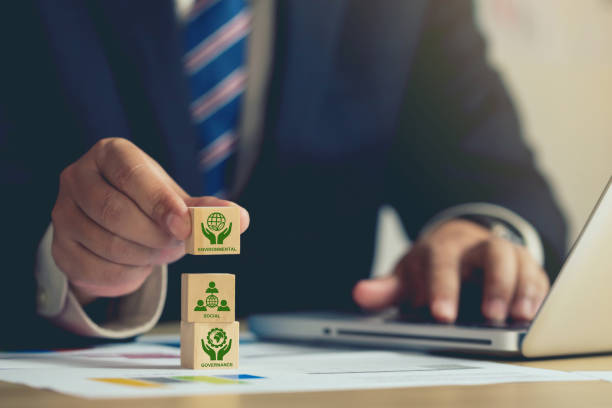
Companies across industries are discovering that environmental responsibility and business success aren’t mutually exclusive. The most forward-thinking organizations are proving that sustainable practices can drive innovation, reduce costs, and create competitive advantages while contributing to a healthier planet.
This shift represents more than corporate social responsibility—it’s a strategic business approach that’s reshaping how companies operate, invest, and plan for the future. Organizations that embrace this alignment are positioning themselves for long-term success while making meaningful contributions to environmental protection.
The Business Case for Environmental Integration
Environmental initiatives often deliver immediate financial benefits. Energy-efficient technologies reduce operational costs, while sustainable supply chain practices minimize waste and improve efficiency. Companies implementing comprehensive environmental programs frequently report lower operating expenses and improved profit margins within the first few years.
Beyond cost savings, environmental alignment opens new market opportunities. Consumers increasingly prefer brands that demonstrate genuine environmental commitment, with studies showing that sustainable companies often experience higher customer loyalty and brand value. This consumer preference translates directly into revenue growth for businesses that authentically integrate environmental goals into their operations.
Strategic Approaches to Sustainable Growth
Successful companies adopt systematic approaches to environmental integration. They begin by conducting comprehensive assessments of their environmental impact, identifying areas where improvements can simultaneously benefit the environment and business performance.
Energy optimization represents one of the most accessible starting points. Companies invest in renewable energy sources, implement energy-efficient lighting and HVAC systems, and upgrade equipment to reduce consumption. These changes typically generate measurable returns on investment while reducing carbon footprints.
Waste reduction programs create value by identifying inefficiencies in production processes. Companies that implement circular economy principles—designing products for reuse, recycling, or biodegradation—often discover new revenue streams while minimizing disposal costs.
Supply chain sustainability involves partnering with environmentally responsible suppliers and implementing transportation efficiencies. This approach reduces environmental impact while often improving supplier relationships and reducing procurement costs.
Technology and Innovation as Catalysts
Technology plays a crucial role in enabling environmentally aligned growth. Companies leverage data analytics to optimize resource usage, implement IoT sensors to monitor energy consumption, and use artificial intelligence to predict and prevent waste.
Innovation flourishes when companies embrace environmental constraints as creative challenges. Organizations working with air quality consultants, for example, often develop breakthrough solutions that improve workplace environments while reducing environmental impact. These innovations frequently become marketable products or services, creating new revenue streams.
Digital transformation supports environmental goals through paperless operations, remote work capabilities that reduce commuting emissions, and cloud computing that improves energy efficiency compared to traditional data centers.
Building Organizational Culture Around Sustainability
Successful environmental integration requires cultural transformation throughout the organization. Companies create sustainability committees with representatives from various departments, establish environmental metrics in performance evaluations, and provide training on sustainable practices.
Employee engagement programs encourage staff to contribute environmental improvement ideas, often resulting in significant innovations and cost savings. Companies that successfully align growth with environmental goals typically find that employees become passionate advocates for sustainability initiatives.
Leadership commitment proves essential for long-term success. When executives demonstrate genuine commitment to environmental goals through resource allocation and decision-making, it signals to the entire organization that sustainability is a strategic priority, not merely a marketing initiative.
Measuring Success and Continuous Improvement
Environmental alignment requires robust measurement systems that track both business and environmental metrics. Companies establish baseline measurements for energy consumption, waste production, water usage, and carbon emissions, then set specific targets for improvement.
Regular reporting creates transparency and accountability while identifying areas for continued improvement. Many successful companies publish annual sustainability reports that detail their environmental progress alongside financial performance, demonstrating the connection between environmental stewardship and business success.
Third-party certifications and standards provide frameworks for continuous improvement while building credibility with stakeholders. Organizations pursuing certifications often discover additional opportunities for operational improvements and cost savings.
Overcoming Implementation Challenges
Companies face common challenges when aligning growth with environmental goals, including initial investment costs, changing established processes, and measuring return on investment for environmental initiatives. Successful organizations address these challenges through phased implementation, clear communication about long-term benefits, and creative financing solutions.
Stakeholder education helps build support for environmental initiatives. Companies that clearly communicate the business benefits of environmental alignment—including risk mitigation, operational efficiency, and market opportunities—find greater internal and external support for their initiatives.
Creating a Sustainable Future
Corporate growth aligned with environmental goals represents a fundamental shift in how businesses operate. Companies that embrace this alignment don’t just contribute to environmental protection—they position themselves for sustained success in an increasingly environmentally conscious marketplace.
The integration of business growth and environmental responsibility creates a positive feedback loop: environmental improvements drive operational efficiencies and innovation, which generate business growth that funds further environmental initiatives. This alignment ensures that companies remain competitive while contributing to solutions for global environmental challenges. Organizations ready to align their growth strategies with environmental goals should begin by assessing their current impact, identifying immediate improvement opportunities, and developing comprehensive sustainability strategies that support both environmental protection and business objectives.
