


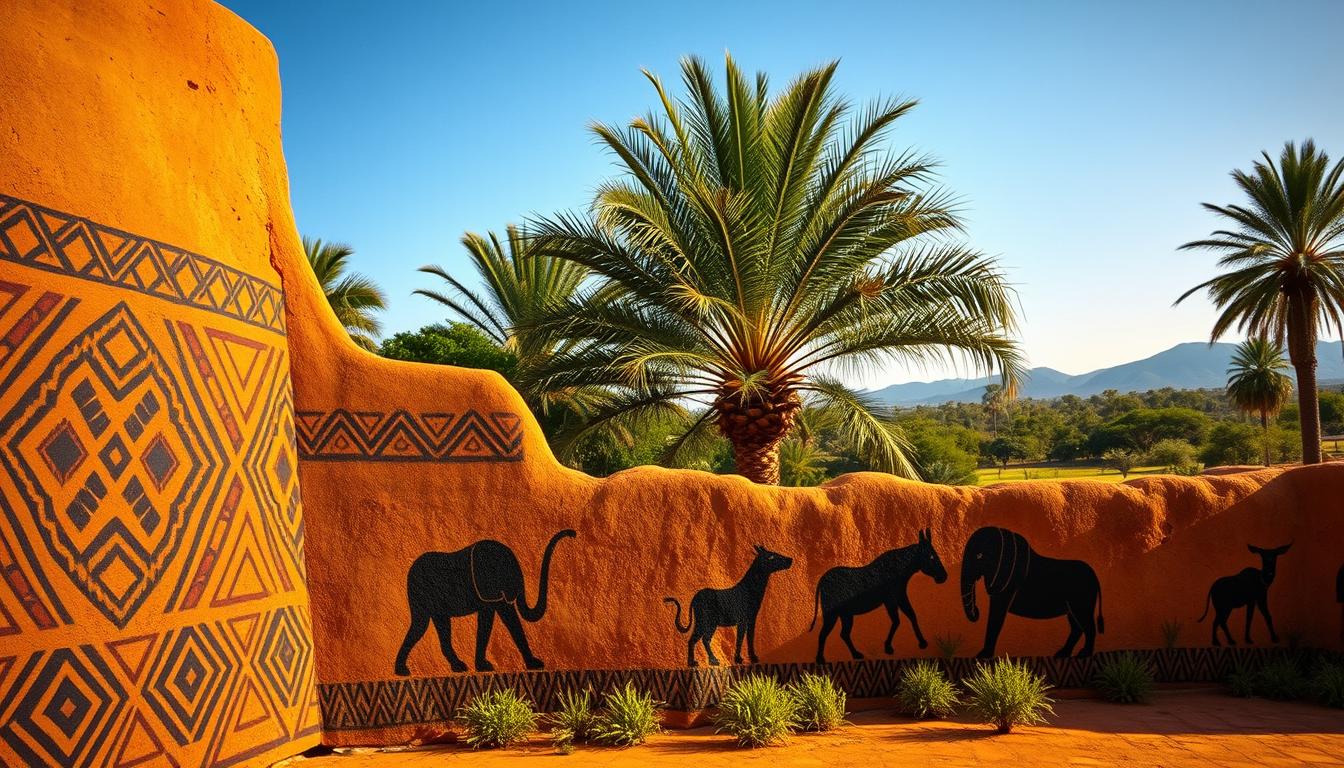
Transforming your living space into a warm and inviting haven is easier than you think. By incorporating unique pieces of African Decor Wall, you can add a touch of cultural elegance to your home.
Imagine walking into a room that exudes warmth and character, where every piece of art tells a story. African wall art can be the perfect addition to create a cozy atmosphere, reflecting your personal style and appreciation for diverse cultures.
With a wide range of styles and designs available, you can easily find the perfect piece to elevate your space and make it truly special. Whether you’re looking to create a focal point or add some cultural depth, incorporating African wall decor is a great way to enhance your home’s ambiance.
The Rich Heritage Behind African Wall Art
African wall art is more than just a decorative piece; it’s a window into the continent’s soul. Each piece of art tells a story, conveys a message, or represents a particular aspect of African culture. The significance of these art forms lies in their ability to connect us with the rich cultural heritage of Africa.
Cultural Significance and Regional Variations
African wall art is deeply rooted in the continent’s diverse cultures and traditions. Different regions have their unique art forms, such as the intricate patterns of mud cloth from West Africa and the vibrant colors of Kente cloth from Ghana. These regional variations not only reflect the local culture but also contribute to the rich tapestry of African art as a whole.
Traditional Symbolism and Storytelling
Traditional African art is replete with symbolism, where every pattern, color, and figure has a specific meaning. For instance, the masks used in various ceremonies symbolize ancestral spirits or mythological beings. These symbols are used in storytelling, passing down history and cultural values from one generation to the next, thus keeping the cultural heritage alive.
By understanding the cultural significance and traditional symbolism behind African wall art, we can appreciate the depth and richness it brings to our spaces. Whether used as a decorative piece or as a way to connect with African culture, these art forms are a testament to the continent’s enduring legacy.
Popular Types of African Decor Wall Art
African decor wall art is a diverse and vibrant expression of the continent’s rich cultural heritage. The various forms of African art are not only aesthetically pleasing but also carry significant cultural and historical value.
Masks and Carved Wooden Pieces
Masks and carved wooden pieces are among the most iconic forms of African art. These pieces are often used in traditional ceremonies and rituals, and their intricate designs reflect the skill and craftsmanship of African artisans.
The significance of masks in African culture cannot be overstated, as they represent ancestors, spirits, or mythological beings.
Textile Art: Mud Cloth and Kente
Textile art is another significant aspect of African decor wall art. Mud cloth, originating from Mali, is a traditional textile made using a labor-intensive process involving mud and natural dyes.
Kente cloth, hailing from Ghana, is known for its vibrant colors and geometric patterns, symbolizing proverbs, myths, and historical events.
Baskets and Woven Wall Hangings
Baskets and woven wall hangings add a rustic and earthy touch to any room. These pieces are often handmade using natural fibers such as grasses, reeds, or fibers from plants.
| Type of Art | Description | Origin |
|---|---|---|
| Masks | Intricately carved, often used in traditional ceremonies | Various African countries |
| Mud Cloth | Traditional textile made with mud and natural dyes | Mali |
| Kente Cloth | Vibrant, geometric patterns symbolizing proverbs and historical events | Ghana |
Incorporating African Decor Wall Into Your Home
Incorporating African decor into your home can be a great way to add some personality to your space. To achieve this, it’s essential to understand how to effectively integrate African wall art into your interior design.
Creating Striking Focal Points
One way to incorporate African decor is by creating a focal point in a room. You can achieve this by hanging a large piece of African art or a collection of smaller pieces together to create a visually appealing display. For example, a vibrant
| Style | Description | Complementary Elements |
|---|---|---|
| Traditional African | Bold patterns and bright colors | Earth-toned furniture, natural textiles |
| Modern African | Simplified patterns, mixed with modern art | Minimalist decor, metallic accents |
Color Schemes and Complementary Elements
When choosing African decor, consider the color scheme of your room. Earthy tones such as terracotta, sienna, and umber are common in African art and can be complemented with natural materials like wood and woven fibers. As
“African art is not just about decoration; it’s about telling a story and preserving culture.”
understanding the cultural context can help you make informed decorating decisions.
Balancing Traditional and Modern Elements
To avoid a space looking too themed or kitschy, balance traditional African elements with modern decor. For instance, pair a traditional African mask with a sleek, modern sofa. This blend of old and new creates a unique and interesting aesthetic. When done correctly, it can result in a space that feels both culturally rich and contemporary.
Sourcing Authentic African Decor Wall Pieces
Authentic African decor wall art can transform your home, but it’s essential to source it responsibly. This involves considering several factors, including the artist’s background, the materials used, and the production process.
Ethical Shopping Considerations
When shopping for African decor wall art, it’s vital to consider the ethical implications of your purchase. This includes ensuring that the art is produced and sold in a way that respects the artists and their communities. Look for sellers who provide transparent information about the artwork’s origin and the artists’ working conditions.
Supporting African Artisans and Fair Trade
Supporting African artisans and fair trade practices is crucial when sourcing authentic African decor wall art. Fair trade ensures that artists receive fair compensation for their work, enabling them to continue creating art that reflects their culture and heritage. By choosing fair trade, you contribute to the well-being of the artists and their communities.
Care and Maintenance of African Art
To preserve the beauty and longevity of your African decor wall art, proper care and maintenance are essential. This includes protecting the art from direct sunlight, dust, and moisture. Regularly dusting the art with a soft cloth and avoiding harsh chemicals can help maintain its quality.
By being mindful of these factors, you can enjoy your African decor wall art while also supporting the artists and communities involved in its creation.
Conclusion: Transform Your Space with African Art
African decor wall art offers a unique and captivating way to transform your living space, providing a wealth of home decor inspiration. By understanding the cultural significance and rich heritage behind these art pieces, you can appreciate their value beyond their aesthetic appeal.
Whether you’re looking to create a bold focal point or add a subtle touch of African culture to your home, the diverse styles and rich symbolism of African art make it an excellent choice for anyone looking to add a new dimension to their living space.
With the ideas and tips presented in this article, you’re now inspired to explore the world of African decor wall art and discover how it can elevate your home decor and transform your space.
FAQ
What is African decor wall art?
African decor wall art refers to the various forms of art and decorative pieces that originate from Africa, used to adorn and enhance the aesthetic appeal of a room. These art pieces can include masks, carved wooden pieces, textile art like mud cloth and Kente, baskets, and woven wall hangings.
How do I choose the right African decor wall art for my home?
To choose the right African decor wall art, consider the style and decor of your room, the cultural significance of the art piece, and how it will complement or contrast with your existing decor. You should also think about the scale and proportion of the art piece in relation to your wall space.
What are some popular types of African decor wall art?
Some popular types of African decor wall art include masks and carved wooden pieces, textile art such as mud cloth and Kente, and baskets and woven wall hangings. Each of these types has its unique characteristics and cultural significance.
How do I care for and maintain my African decor wall art?
To care for and maintain your African decor wall art, avoid exposing it to direct sunlight, moisture, or extreme temperatures. Regularly dust the art piece with a soft cloth, and consider using a gentle cleaning product if necessary. For more delicate or intricate pieces, it may be best to consult a professional conservator.
Can I mix African decor wall art with modern decor?
Yes, you can mix African decor wall art with modern decor. In fact, combining traditional African elements with modern aesthetics can create a unique and captivating visual effect. To achieve a balanced look, consider the color scheme, texture, and style of both the African art piece and your modern decor.
How do I ensure that my African decor wall art is authentic?
To ensure that your African decor wall art is authentic, research the artist, the region, and the cultural context of the piece. Look for certifications or documentation from reputable dealers or fair trade organizations, and be wary of unusually low prices or mass-produced items.
What is the cultural significance of African wall art?
African wall art is deeply rooted in the continent’s diverse cultures and traditions. Each piece of art tells a story, conveys a message, or represents a particular aspect of African culture. Understanding the cultural significance of the art piece can enhance your appreciation and enjoyment of it.
How can I support African artisans when buying African decor wall art?
To support African artisans, consider buying directly from them or from fair trade organizations that ensure the artists receive fair compensation. Research the seller and the production process to ensure that your purchase is contributing to the well-being of the artists and their communities.
