

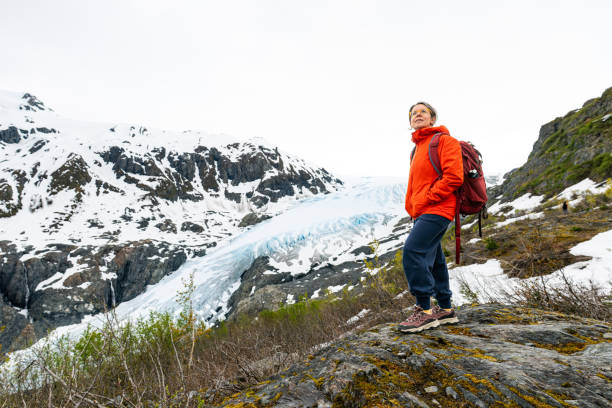
Alaska’s national parks offer some of the most breathtaking and wild landscapes in the world. An overnight trip allows you to immerse yourself in the vast wilderness, from towering mountains and sprawling glaciers to serene forests and abundant wildlife. The allure of sleeping under the stars in such a remote and majestic setting is powerful, but it requires careful planning.
Choosing Your Park
Alaska is home to eight national parks, each offering a unique experience. Your choice will depend on your interests, experience level, and the kind of adventure you’re seeking.
- For Iconic Scenery: Denali National Park and Preserve
Home to North America’s tallest peak, Denali offers dramatic landscapes and abundant wildlife. It has established bus systems and designated backcountry zones, making it accessible for both beginners and experienced hikers. - For Glaciers and Fjords: Kenai Fjords National Park
If you’re captivated by ice and sea, Kenai Fjords is your destination. You can hike to the Harding Icefield, kayak among glaciers, and watch for whales and sea lions. The park offers both frontcountry campgrounds and backcountry opportunities. - For Bear Viewing: Katmai National Park and Preserve
Famous for the brown bears at Brooks Falls, Katmai is a prime spot for wildlife enthusiasts. Planning an overnight trip here requires meticulous attention to permits and bear safety protocols. - For Utter Remoteness: Gates of the Arctic National Park and Preserve
This park has no roads, trails, or established campsites. It’s a destination for experienced, self-sufficient adventurers who are prepared for true wilderness travel and navigation.
Securing Permits and Reservations
Once you’ve chosen a park, the next critical step is to secure the necessary permits and reservations. This process varies significantly between parks, so always check the official National Park Service (NPS) website for the most current information.
Backcountry Permits
Most parks, like Denali and Gates of the Arctic, require a backcountry permit for overnight stays. This is often more than just a piece of paper; it’s a key part of your safety planning. The process typically involves:
- Attending a Safety Briefing: Rangers will provide you with crucial information about current trail conditions, wildlife activity, and park regulations.
- Choosing Your Zone: In parks like Denali, you will select a specific backcountry unit or zone to camp in. This helps distribute visitors and minimize impact.
- Receiving Your Permit: After the briefing, you’ll be issued your permit and a bear-resistant food container (BRFC) if required.
Campsite Reservations
For those preferring a more structured experience, frontcountry campgrounds are available in parks like Denali and Kenai Fjords.
- Reservations can often be made online through Recreation.gov, and it’s essential to book well in advance, especially during the peak summer months.
- For specific lodging, such as finding Katmai National Park accommodation, you’ll need to book through authorized concessioners, often a year or more ahead of time.
Packing Your Essential Gear
Packing correctly is crucial for both your comfort and safety. Alaska’s weather is notoriously unpredictable, so layering is key.
Clothing
- Base Layer: Moisture-wicking materials like merino wool or synthetics.
- Mid Layer: Fleece or down jacket for insulation.
- Outer Layer: A waterproof and windproof jacket and pants are non-negotiable.
- Extras: Wool socks, warm hat, gloves, and sturdy, waterproof hiking boots.
Camping Equipment
- Tent: A durable, waterproof tent rated for three seasons is a minimum.
- Sleeping Bag: Choose one rated for temperatures that can drop near freezing, even in summer.
- Sleeping Pad: Provides insulation from the cold ground.
- Cooking System: A reliable stove, fuel, pot, and utensils.
Safety and Navigation
- First-Aid Kit: A comprehensive kit tailored to wilderness travel.
- Navigation Tools: A physical map and compass are essential, even if you have a GPS device or satellite messenger.
- Bear-Resistant Food Container (BRFC): Required in many parks.
- Bear Spray: Know how to use it and keep it accessible at all times.
- Water Filter or Purifier: To treat water from natural sources.
Staying Safe Around Wildlife
Alaska is home to large and potentially dangerous animals. Respecting wildlife and following safety guidelines is paramount.
Bear Safety
- Make Noise: Talk, sing, or clap your hands as you hike, especially in areas with limited visibility, to avoid surprising a bear.
- Carry Bear Spray: Keep it on your hip or chest strap, not in your pack.
- Store Food Properly: All food, scented items, and trash must be stored in a BRFC. Cook and eat at least 100 yards downwind from your tent.
- If You Encounter a Bear: Do not run. Stand your ground, speak calmly, and slowly wave your arms.
Moose Safety
Moose can be more aggressive than bears, especially mothers with calves. If you see a moose, give it plenty of space. If it charges, run and get behind a solid object like a tree.
Recommended Trails for Overnight Trips
- Denali National Park – Savage Alpine Trail: While the full trail is a day hike, it connects to backcountry units perfect for a one-night trip, offering stunning views of the Alaska Range.
- Kenai Fjords National Park – Harding Icefield Trail: This strenuous day hike can be extended into an overnight trip by camping in the designated backcountry area near the top. You’ll fall asleep to the sounds of the sprawling icefield.
- Chugach State Park (near Anchorage) – Crow Pass Trail: This 21-mile point-to-point trail is a classic Alaskan overnight adventure, taking you past glaciers, waterfalls, and historic mining ruins.
Practicing Leave No Trace
To protect Alaska’s pristine wilderness for future generations, every visitor must practice the seven Leave No Trace principles:
- Plan Ahead and Prepare: Research your route and pack appropriately.
- Travel and Camp on Durable Surfaces: Stick to established trails and campsites.
- Dispose of Waste Properly: Pack out everything you pack in, including food scraps.
- Leave What You Find: Don’t take rocks, plants, or other natural objects.
- Minimize Campfire Impacts: Use a stove for cooking and know the fire regulations.
- Respect Wildlife: Observe animals from a distance and never feed them.
- Be Considerate of Other Visitors: Keep noise to a minimum and respect the solitude of others.
Conclusion
Planning an overnight trip in an Alaskan national park is a rewarding challenge. It requires thorough preparation, a deep respect for nature, and a spirit of adventure. By choosing the right park, securing your permits, packing the right gear, and following safety guidelines, you can set yourself up for an experience you’ll never forget.
