

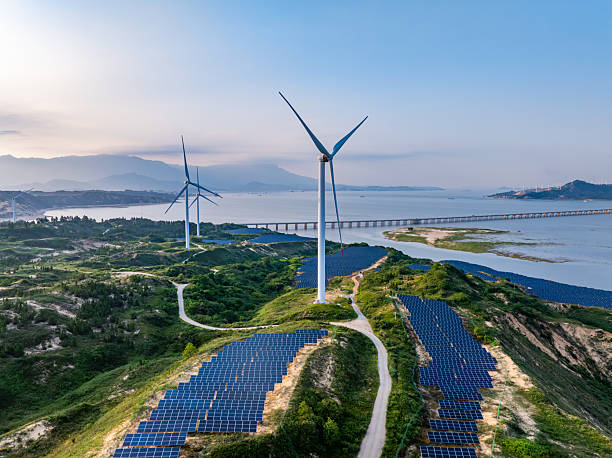
Land development is essential for growing communities, providing much-needed housing, infrastructure, and commercial spaces. However, this progress often comes at a cost to the environment. Construction activities can disrupt ecosystems, pollute waterways, and degrade soil quality if not managed carefully. The challenge lies in balancing the need for growth with the responsibility to protect our precious natural resources.
Fortunately, modern construction and development practices offer effective strategies to minimize environmental impact. Through careful planning, innovative techniques, and a commitment to sustainability, developers can build the future without destroying the natural heritage we all depend on. This guide explores practical and proven methods for safeguarding water, soil, and air during development projects, ensuring that progress and preservation can go hand in hand.
The Importance of Proactive Environmental Planning
The first and most critical step in protecting natural resources is proactive planning. This phase occurs long before the first piece of equipment arrives on-site. It involves a thorough assessment of the land and its ecological features to create a development plan that works with the environment, not against it.
A key component of this planning is creating a comprehensive Stormwater Pollution Prevention Plan (SWPPP). In places with specific regulations, like a Utah SWPPP, this plan is not just a document—it’s a roadmap for protecting water quality throughout the construction process. It identifies potential pollution sources and outlines the specific measures, known as Best Management Practices (BMPs), that will be implemented to control them. This foresight prevents problems before they start, turning environmental protection into an integral part of the project’s design.
Safeguarding Our Waterways from Pollution
Water is one of the most vulnerable resources during construction. Runoff from a construction site can carry sediment, chemicals, and debris into nearby streams, rivers, and lakes, harming aquatic life and contaminating drinking water sources. Effective stormwater management is crucial to prevent this.
Controlling Sediment and Erosion
The most common water pollutant from construction sites is sediment. Exposed soil is easily washed away by rain, clouding waterways and disrupting aquatic habitats. Several BMPs are highly effective at controlling erosion:
- Silt Fences and Wattles: These temporary barriers are installed along the downhill boundaries of a construction site. They slow down water flow, allowing sediment to settle out before the water leaves the property.
- Stabilized Construction Entrances: A gravel pad at the site entrance knocks mud and dirt off vehicle tires, preventing it from being tracked onto public roads where it can be washed into storm drains.
- Vegetative Cover: Preserving existing vegetation wherever possible provides natural erosion control. For areas that must be cleared, promptly planting temporary or permanent ground cover, like grass or mulch, helps stabilize the soil.
Managing Chemical and Material Waste
Beyond sediment, construction sites are home to various potential chemical pollutants, including fuel, oil, paints, and concrete washout. Proper management of these materials is non-negotiable:
- Designated Storage Areas: All hazardous materials should be stored in a secure, covered area away from drainage paths.
- Spill Prevention and Response: Having a clear spill response plan and readily available cleanup kits can contain accidents before they cause significant harm.
- Concrete Washout Pits: A designated, lined pit should be used for washing out concrete trucks and equipment. This prevents highly alkaline wastewater from seeping into the ground or running off into waterways.
Preserving Soil Health and Air Quality
Protecting soil and air is just as important as protecting water. Healthy soil is vital for successful landscaping and long-term site stability, while clean air is essential for the well-being of both workers and the surrounding community.
Construction activities like grading and excavation can compact soil, destroying its structure and ability to support plant life. To mitigate this, developers can phase construction to minimize the area of disturbed land at any one time. Preserving topsoil and reapplying it after major construction is complete helps restore the land’s fertility.
Dust is the primary air pollutant from construction sites. It can be a nuisance and a health hazard. Simple yet effective dust control measures include:
- Watering down exposed soil and dirt roads regularly.
- Covering soil stockpiles with tarps.
- Reducing vehicle speeds on-site to minimize dust kick-up.
Building a Sustainable Future
Safeguarding natural resources during development is not an obstacle to progress but a cornerstone of responsible growth. By integrating environmental protection into every stage of a project, developers can create communities that are not only functional and beautiful but also ecologically sound. The strategies outlined here—from comprehensive SWPPPs to specific on-site practices for managing sediment, waste, and dust—provide a clear path forward. These efforts protect the environment, ensure regulatory compliance, and build goodwill within the community. Embracing these sustainable practices allows us to build the infrastructure of tomorrow while preserving the natural world for generations to come.
