
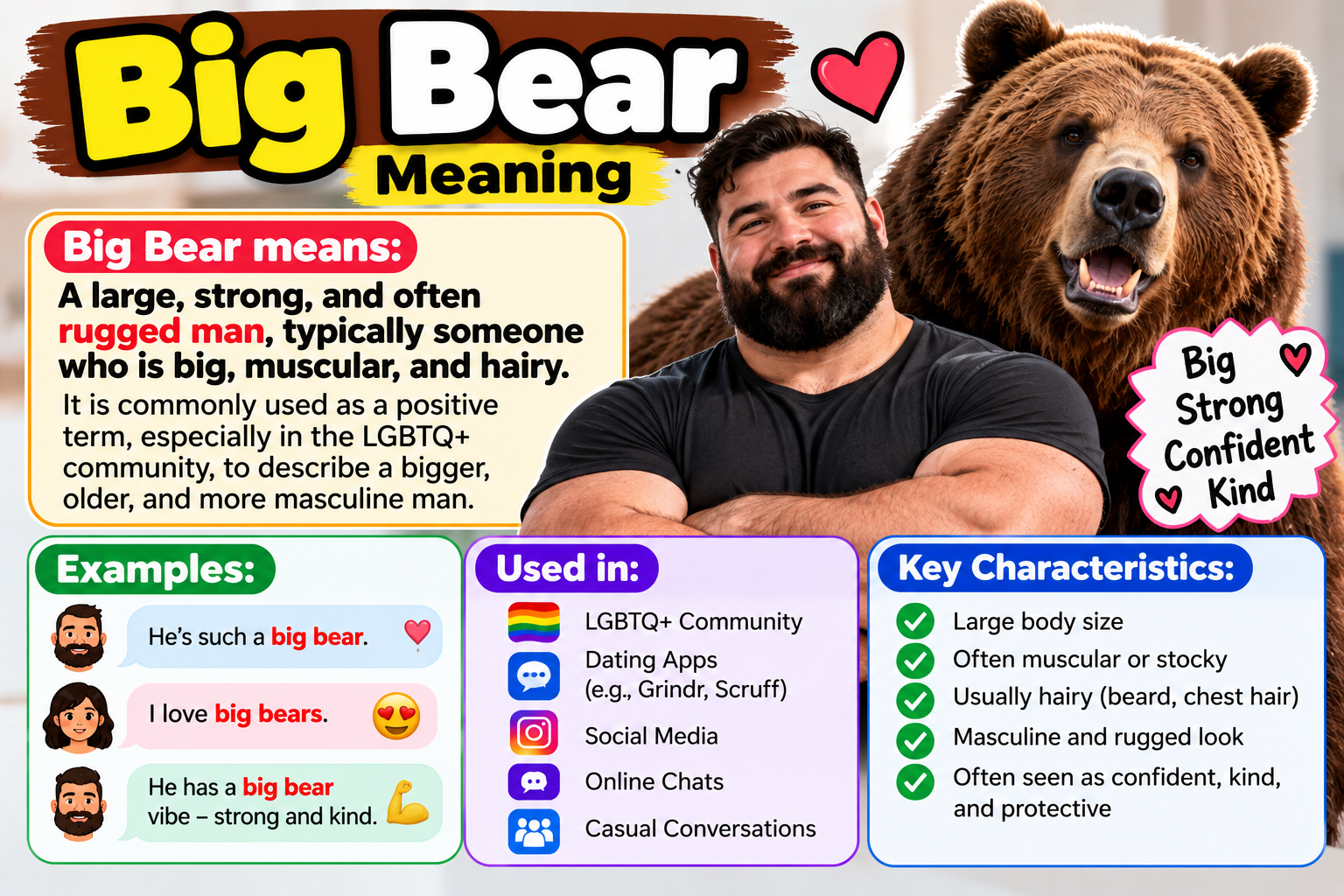
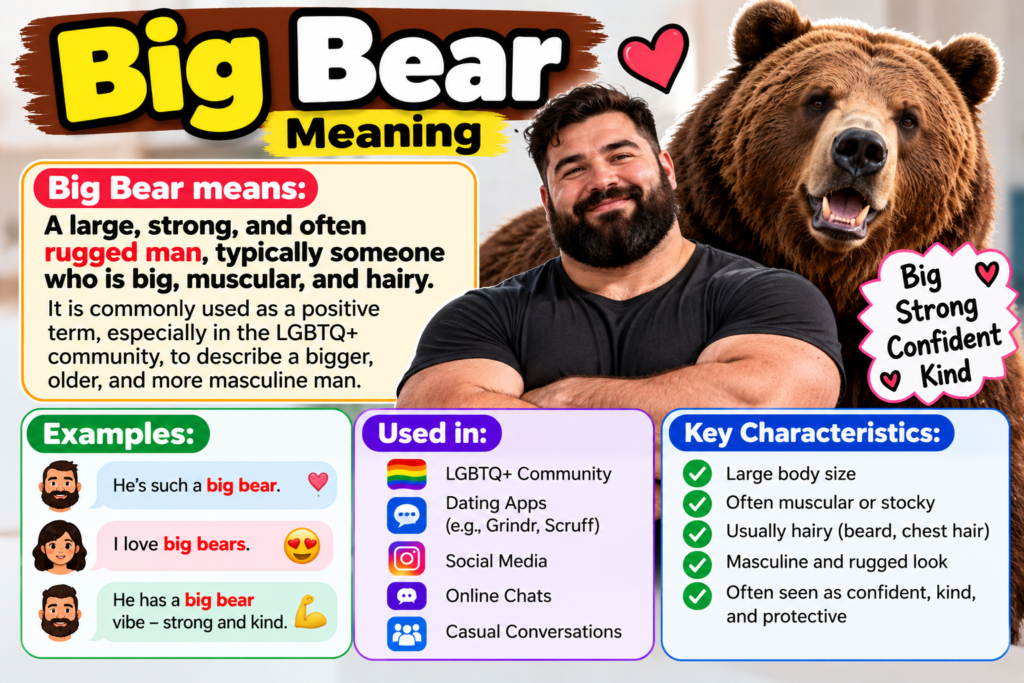
The big bear meaning centers on grounded authority, protective strength, primal resilience, and enduring reliability across psychological and cultural frameworks. In modern brand strategy, leveraging bear imagery and naming conventions signals deep-rooted trust, physical robust capability, and market dominance.
Choosing a company or product name based on symbolic weight requires strategic intentionality rather than arbitrary selection. Most founders pick names based on personal preference rather than market positioning, missing how archetype-driven branding directly influences buyer perception, phonetic recall, and brand equity.
The Strategic Importance of Archetype-Driven Naming
Generic name lists fail because they ignore positioning context. A name isn’t just a label; it’s the tip of your brand’s narrative spear. When evaluating bear-inspired naming vectors, you must align the underlying symbolism with your core market proposition.
Here’s where most founders get it wrong: they select a heavy, aggressive name for a service that requires approachability, or a soft, whimsical variation for a high-stakes security firm. To build lasting brand authority, your visual, auditory, and psychological cues must operate in total alignment.
Categorized Bear-Inspired Brand Names
Modern & Minimalist Names
- Arctos | Derived from classical Greek for bear; sleek and authoritative | Best For: Enterprise SaaS, AI Platforms, Cybersecurity
- Kodiak Shift | Implies massive scale and decisive momentum | Best For: Logistics, Heavy Tech, Supply Chain Solutions
- Burl | Evokes dense, unbreakable strength and natural endurance | Best For: Outdoor Gear, Construction Tech, Hardware
Aesthetic & Premium Names
- Ursa Atelier | Blends celestial bear constellation imagery with high craft | Best For: Luxury Apparel, Interior Design, Boutique Agencies
- Oso & Oak | Warm, grounded, and heritage-focused | Best For: Craft Distilleries, Premium Goods, Sustainable Furniture
- Björn & Co. | Nordic minimalism anchored in quiet confidence | Best For: Architectural Firms, Grooming, Lifestyle Brands
Professional & High-Trust Names
- Big Bear Capital | Direct reference to the big bear meaning of protective stewardship | Best For: Wealth Management, Private Equity, Real Estate
- Ursus Assurance | Latin root signaling institutional stability and defense | Best For: Insurance, Legal Services, Risk Assessment
- Kodiak Shield | Unyielding protection and formidable presence | Best For: Defense Tech, Physical Security, Cloud Infrastructure
Catchy & Consumer-Facing Names
- BearCub Kids | Friendly, protective, and approachable | Best For: Children’s Wear, EdTech, Family Apps
- Barnaby | Soft phonetics with classic, comforting undertones | Best For: Craft Beverages, Hospitality, Bakery Chains
- Roam Bear | Combines active exploration with grounded strength | Best For: Travel Gear, Outdoor Apps, Fitness Apparel
Linguistic & Naming Psychology Breakdown
Phonetics drive emotional responses long before the conscious mind processes a word’s definition. The big bear meaning benefits from hard consonant stops and deep vocal resonances that convey stability and power.
Words starting with voiced plosives like /b/ (as in Bear or Burl) or velar stops like /k/ (as in Kodiak) trigger immediate cognitive associations with size, impact, and structural integrity. Conversely, incorporating soft vowels or sibilants (Ursa, Arctos) tempers brute strength with sophistication and modern precision.
When crafting a bear-themed brand identity, you balance two primary psychological levers:
- Dominance & Protection: Heavy plosives and short syllables signal high capability and defensive power.
- Warmth & Solitude: Open vowels and liquid consonants signal comfort, steady reliability, and premium calm.
Comparison & Meaning Matrix
| Brand Name | Symbolism / Vibe | Ideal Industry / Brand Fit | Phonetic Weight |
| Kodiak | Unmatched scale, rugged power, apex reliability | Logistics, Fitness, Outdoor | High Plosive / Heavy |
| Ursa | Celestial precision, timeless navigation, quiet luxury | Tech, Wealth, Aerospace | Soft Sibilant / Light |
| Björn | Nordic simplicity, functional design, raw authenticity | Design, Lifestyle, Furniture | Balanced / Moderate |
| Oso | Approachable strength, warmth, community focus | Food & Beverage, Hospitality | Vowel-Dominant / Soft |
| Ursus | Institutional authority, classical permanence, defense | Finance, Legal, Cybersecurity | Hard Consonant / Heavy |
Common Pitfalls When Selecting Bear-Themed Names
- Over-saturation in Saturated Niches: Avoid generic combinations like “Bear Creative” or “Blue Bear Tech.” Without a distinct phonetic modifier, your brand gets buried in local directory clutter.
- Pronunciation Friction: Using obscure linguistic roots without clear phonetic flow creates customer resistance. If a customer hesitates to say your name out loud, word-of-mouth marketing drops off.
- Scaling Limitations: Selecting a hyper-specific name like “Big Bear Cabinets” blocks future expansion into home decor, architectural services, or digital design.
- Trademark Bottlenecks: Because bear-related terms are popular across consumer goods, conduct thorough Class-specific trademark searches early in the naming process.
Strategic Selection Framework
Let’s break down the validation process simply. No fluff, just execution.
- Define the Dominant Archetype: Decide whether your brand requires brute protective strength (Kodiak/Ursus) or elevated, calm authority (Ursa/Arctos).
- Filter by Phonetic Fit: Test how the name sounds in sales calls, podcast introductions, and mobile UI screens. Ensure it flows naturally without slurring.
- Conduct Domain and Social Clearing: Check matching .com availability or natural modern extensions like .co, .io, or clean brand prefixes (e.g., GetArctos.com).
- Run the Stress Test: Place the name inside a mock logo mark, an email signature, and a pitch deck headline. If the name feels unnatural in any of these contexts, eliminate it.
Frequently Asked Questions
What is the core big bear meaning in symbolic branding?
The core big bear meaning revolves around protective strength, quiet confidence, physical grounding, and market resilience. Brands adopt this symbolism to communicate that they are stable, reliable, and capable of handling high-stakes challenges.
How do I choose between a heavy or soft bear name?
Match the phonetics to your buyer’s primary buying trigger. Choose heavy phonetics (Kodiak, Ursus) if your customers buy based on security, power, and durability. Choose softer phonetics (Ursa, Björn) if your audience values design aesthetics, luxury, or approachability.
Are bear-themed brand names easy to trademark?
Due to their popularity, standalone words like “Bear” are difficult to register across broad categories. To secure smooth trademark approval, pair the core root with a distinctive secondary modifier or opt for classical linguistic translations like Arctos.
