
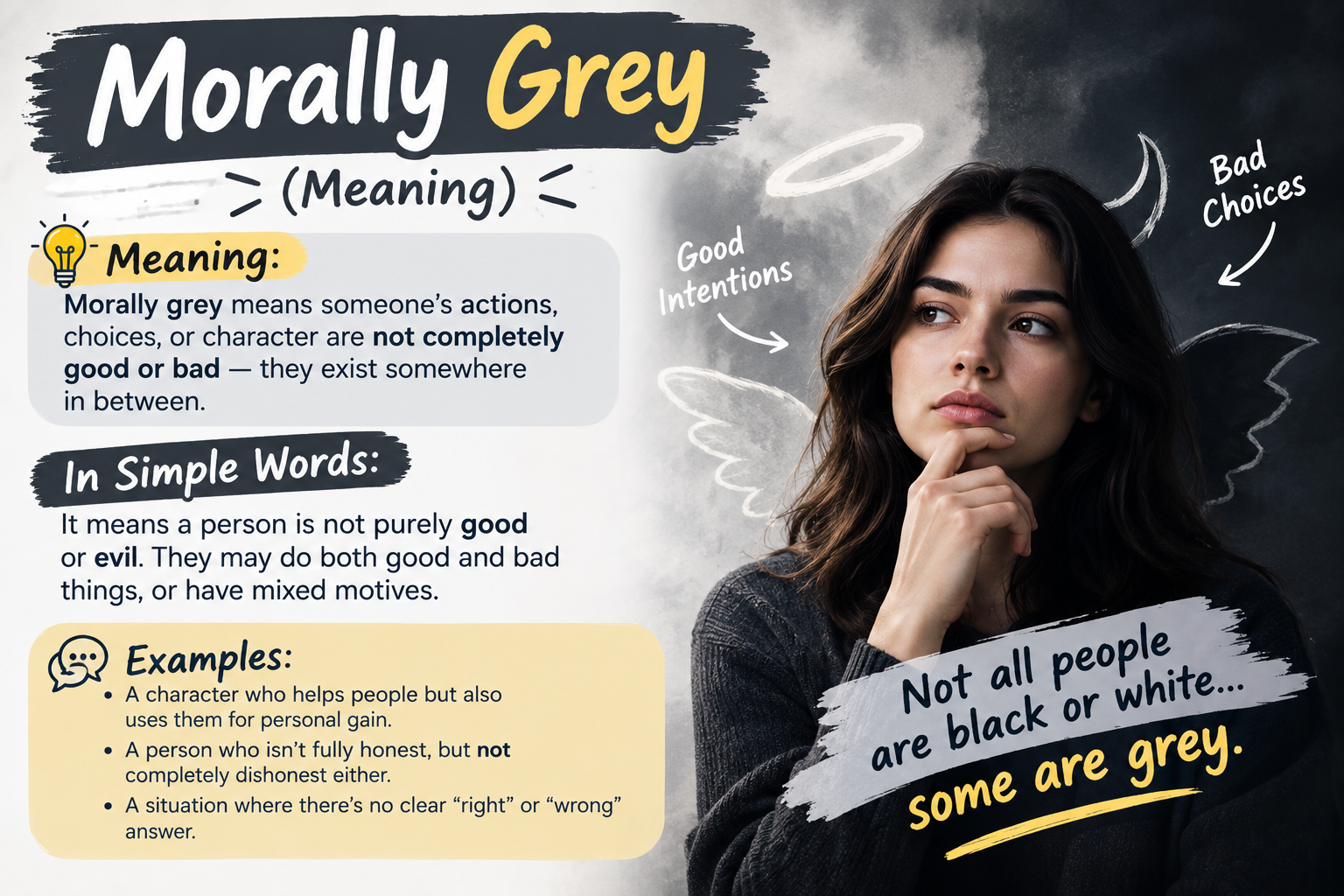
A morally grey character or brand occupies the shadowy spectrum between pure virtue and outright villainy, operating on a personal code that defies traditional notions of right and wrong. Rather than fitting neatly into hero or villain tropes, morally grey entities make questionable choices driven by complex, realistic motives—making them uniquely compelling, deeply human, and unforgettable.
Most brand naming guides and character lists fail because they dump dozens of generic words on you without explaining the psychology behind them. When you are looking for ethically ambiguous character names or seeking an edge for a bold new brand, you need more than just a list—you need to understand the underlying symbolism, emotional triggers, and strategic fit.
The Spectrum of Moral Ambiguity: Categorized Name Ideas
When selecting names inspired by moral grayness, tone and aesthetic are everything. Here is a curated breakdown of names categorized by brand vibe, complete with their semantic meanings and ideal applications.
1. Modern & Sleek
These names lean into sophistication, subtle mystery, and contemporary edge.
- Vane | Vibe: Directional, shifting like the wind, elusive | Best For: Tech startups, modern fashion labels, antihero protagonists
- Kaelen | Vibe: Slender, dark stream; quiet authority | Best For: Cybersecurity firms, urban fantasy leads
- Nyx | Vibe: Cosmic shadow, ancient night | Best For: High-end nightlife brands, stealth gaming characters
- Cipher | Vibe: Encrypted, secret, unreadable | Best For: Web3 platforms, mystery thrillers
2. Aesthetic & Dark Academia
Deep, literary, and rich in historical weight, these names evoke candlelit libraries and hidden motives.
- Darian | Vibe: Gifted yet secretive; aristocratic charm | Best For: Luxury fragrance, complex romance leads
- Osiris | Vibe: Death and rebirth, judge of souls | Best For: Heritage apparel, mythic fantasy antiheroes
- Vesper | Vibe: Evening star, peaceful dusk preceding night | Best For: High-end spirits, quiet rogue archetypes
- Lucien | Vibe: Bearer of light obscured by shadow | Best For: Editorial fashion, Gothic fiction leads
3. Professional & Power-Driven
Sharp, assertive, and memorable, these names fit ambitious brands and commanding characters operating in high-stakes environments.
- Corvus | Vibe: Sharp intelligence, omen of change, raven-like | Best For: Venture capital, tactical fiction leads
- Meridien | Vibe: Peak strength, international reach | Best For: Global consulting, corporate thrillers
- Valen | Vibe: Strong, healthy, uncompromising | Best For: Biotech, morally complex executives
- Bram | Vibe: Thick brushwood; rugged resilience | Best For: Outdoor gear, brooding vigilantes
4. Minimalist & Abstract
Short, impactful names that serve as clean slates with a hint of tension.
- Rift | Vibe: Split, space between opposing forces | Best For: Disrupted tech, mercenaries
- Sable | Vibe: Deep black, rare, luxurious | Best For: Minimalist streetwear, quiet assassin characters
- Onyx | Vibe: Grounded, impenetrable, protective shield | Best For: Hardware brands, stoic bodyguards
- Krest | Vibe: Sharp peak, decisive edge | Best For: Edge computing, rogue agents
Linguistic and Naming Psychology Breakdown
Here’s where most founders and writers get it wrong: they pick a name solely based on how it looks on paper. But human psychology responds to phonetics long before it processes meaning.
To embody the morally grey meaning effectively, names rely on specific linguistic patterns:
- Fricative and Stop Consonants: Sounds produced with friction or sharp stops—like V, Z, K, and X—instantly signal power, sharp edges, and unpredictability. Consider names like Vane or Nyx. They feel sleek yet dangerous.
- Soft Vowel Dampening: Paired with hard consonants, subtle long vowels (O, U) create depth and secrecy (Corvus, Lucien). This linguistic tension mimics moral ambiguity: a polished surface masking complex motives.
- Entity Relationships: In generative search engines and human memory alike, dark or ambiguous names anchor themselves to strong entities—ravens, nightfall, shadows, steel. This creates instant brand recognition without requiring lengthy explanations.
Comparison and Meaning Matrix
| Name | Meaning / Vibe | Ideal Industry / Brand Fit |
| Vane | Shifting wind, fluid loyalty | Edgy streetwear, antihero leads |
| Corvus | Raven-like, tactical intelligence | Private intelligence, dark fantasy leads |
| Vesper | Dusk, transition into darkness | Craft distillery, morally ambiguous spies |
| Cipher | Zero, hidden code | Cybersecurity, sci-fi protagonists |
| Sable | Rare black fur, quiet luxury | Premium leather goods, stealth archetypes |
| Darian | Aristocratic, secretive hold | High-end cologne, brooding drama leads |
Common Pitfalls When Selecting Morally Grey Names
No jargon, just facts. Avoid these common missteps when picking an ambiguous character or brand name:
- Pronunciation Friction: If your audience has to ask how to say the name three times, you’ve lost momentum. Complex doesn’t have to mean convoluted.
- Cliché Overload: Names like Shadow, Blade, or Malice aren’t morally grey—they are cartoonishly villainous. True moral ambiguity requires subtle nuance.
- Trademark Bottlenecks: For brand creators, naming a company after a well-known morally grey character (like Loki or Dexter) creates legal landmines and poor search engine uniqueness.
- Scaling Limitations: A name that feels cool for a single dark fantasy story might fail if your brand expands into a broader, mainstream product line.
Strategic Selection Framework
Selecting the right name requires a systematic process. Follow these four steps to validate your choice:
- Define the Core Code: What is the underlying motivation? A morally grey character or brand always operates on a clear internal logic, even if it conflicts with external rules. Match the name’s softness or harshness to this internal code.
- Test Phonetic Friction: Say the name out loud in context. Does it roll off the tongue naturally in dialogue or pitch meetings?
- Check Semantic Clutter: Search the name alongside related industry or genre terms. Ensure it isn’t already dominated by unrelated entities.
- Evaluate Cross-Platform Viability: Verify handle availability, domain variations, and visual appeal in logo mockups or book covers.
Frequently Asked Questions
What makes a character morally grey?
A character is morally grey when their actions cannot be categorized neatly as purely good or evil. They often pursue noble goals using questionable methods, or hold selfish motives that accidentally produce good outcomes.
How do ethically ambiguous character names impact reader perception?
Names carrying sharp phonetics, dark imagery, or mysterious origins subconsciously prepare readers for complex character arcs. A subtle name prevents the character from feeling like a predictable archetype.
Can a mainstream business use a morally grey naming strategy?
Yes. Disruptive startups, cybersecurity firms, luxury brands, and entertainment franchises frequently use ambiguous or edgy names to communicate boldness, independence, and non-conformity.
The 1-Rule Golden Takeaway
True moral ambiguity is defined by contrast—the tension between light and shadow, strength and subtlety. The best name never tells the entire story up front; it intrigues the audience enough to make them want to discover the rest.
